



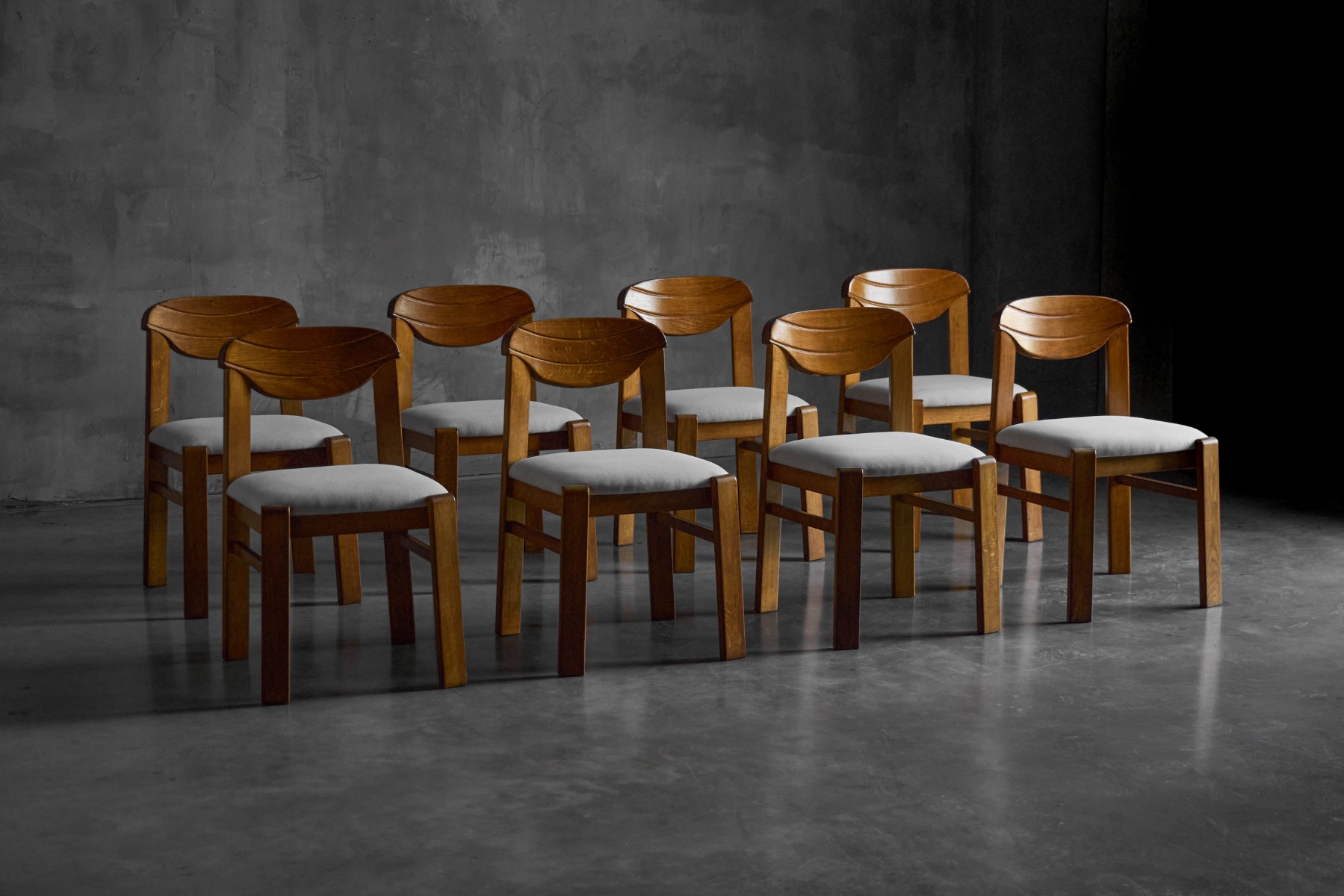
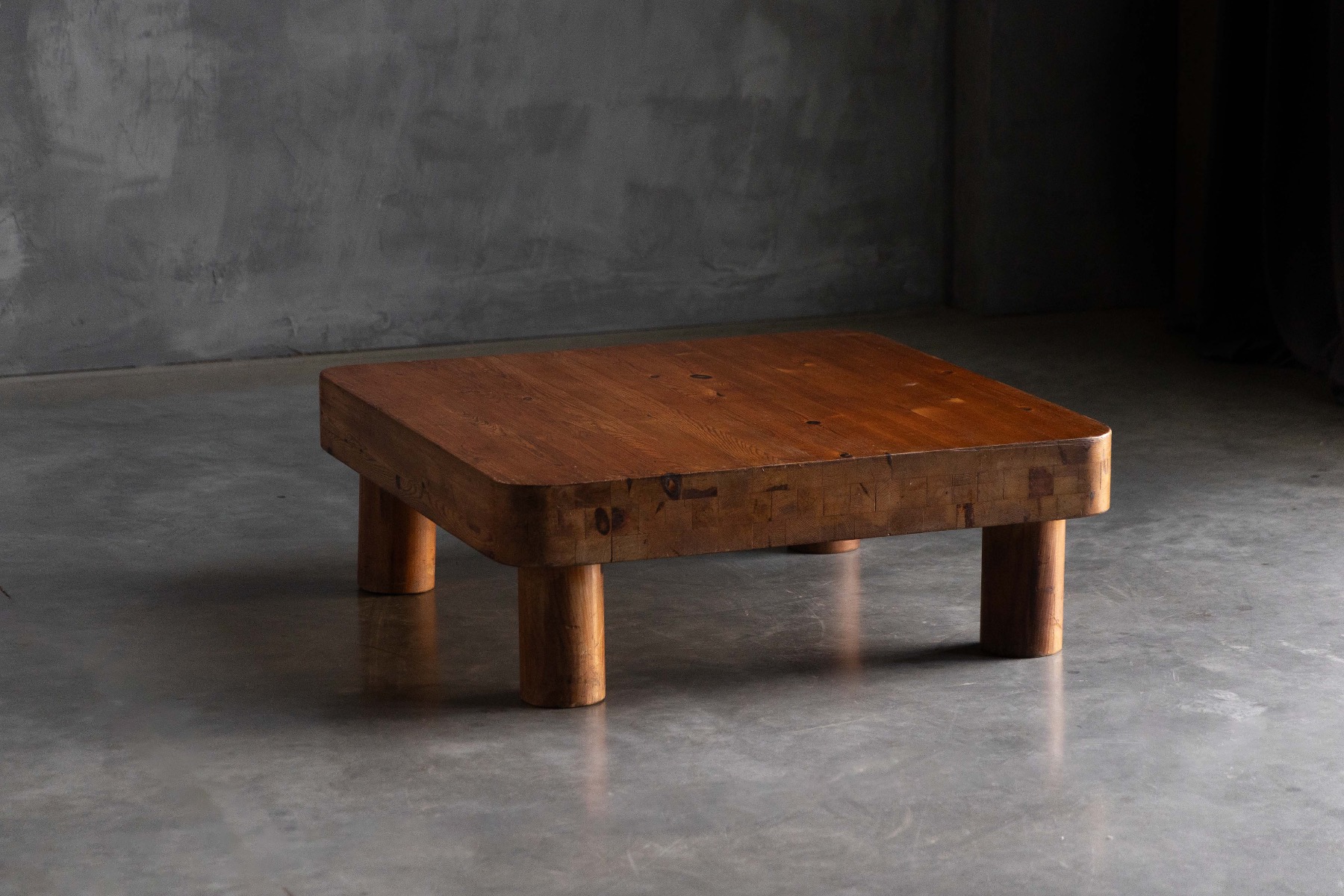
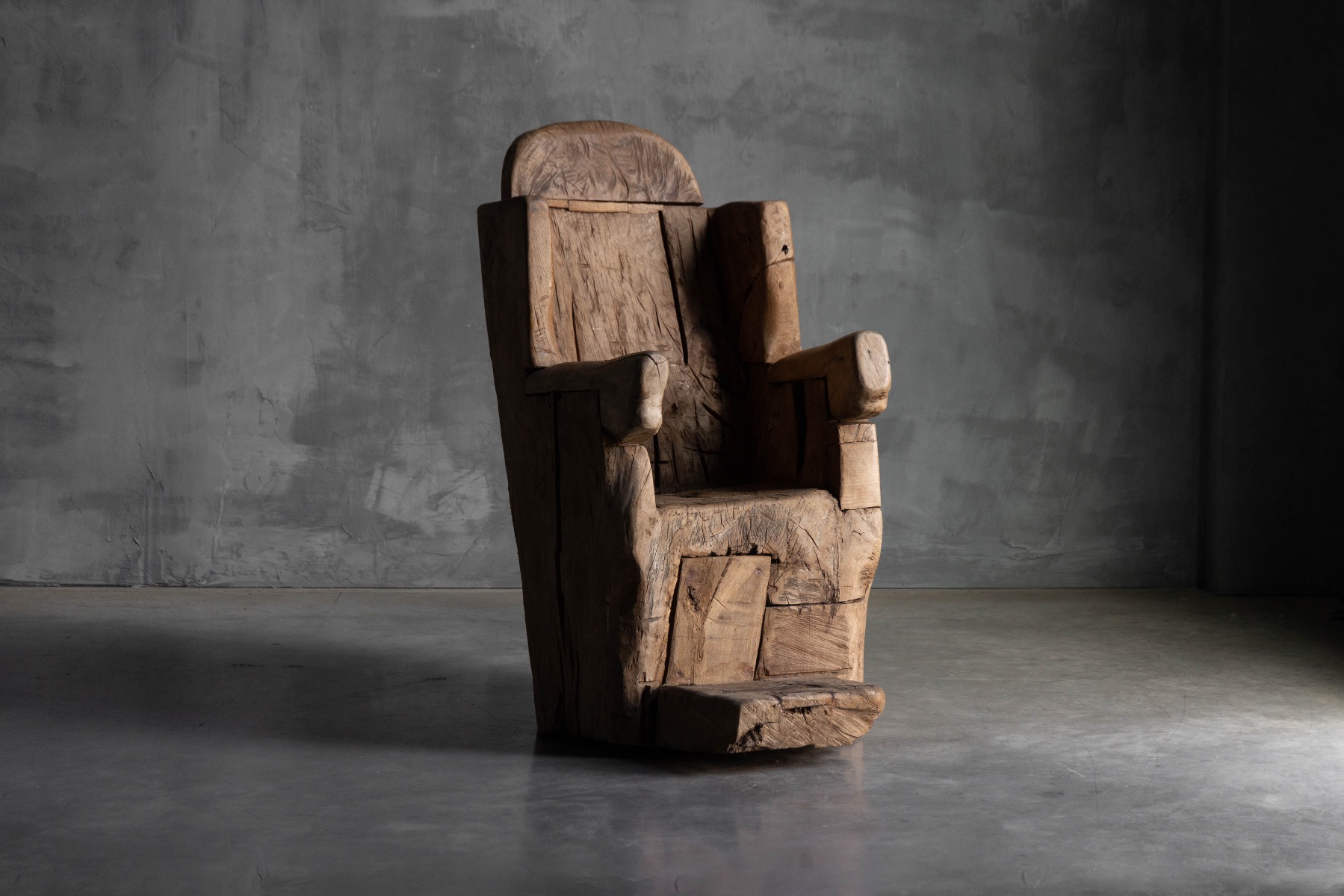
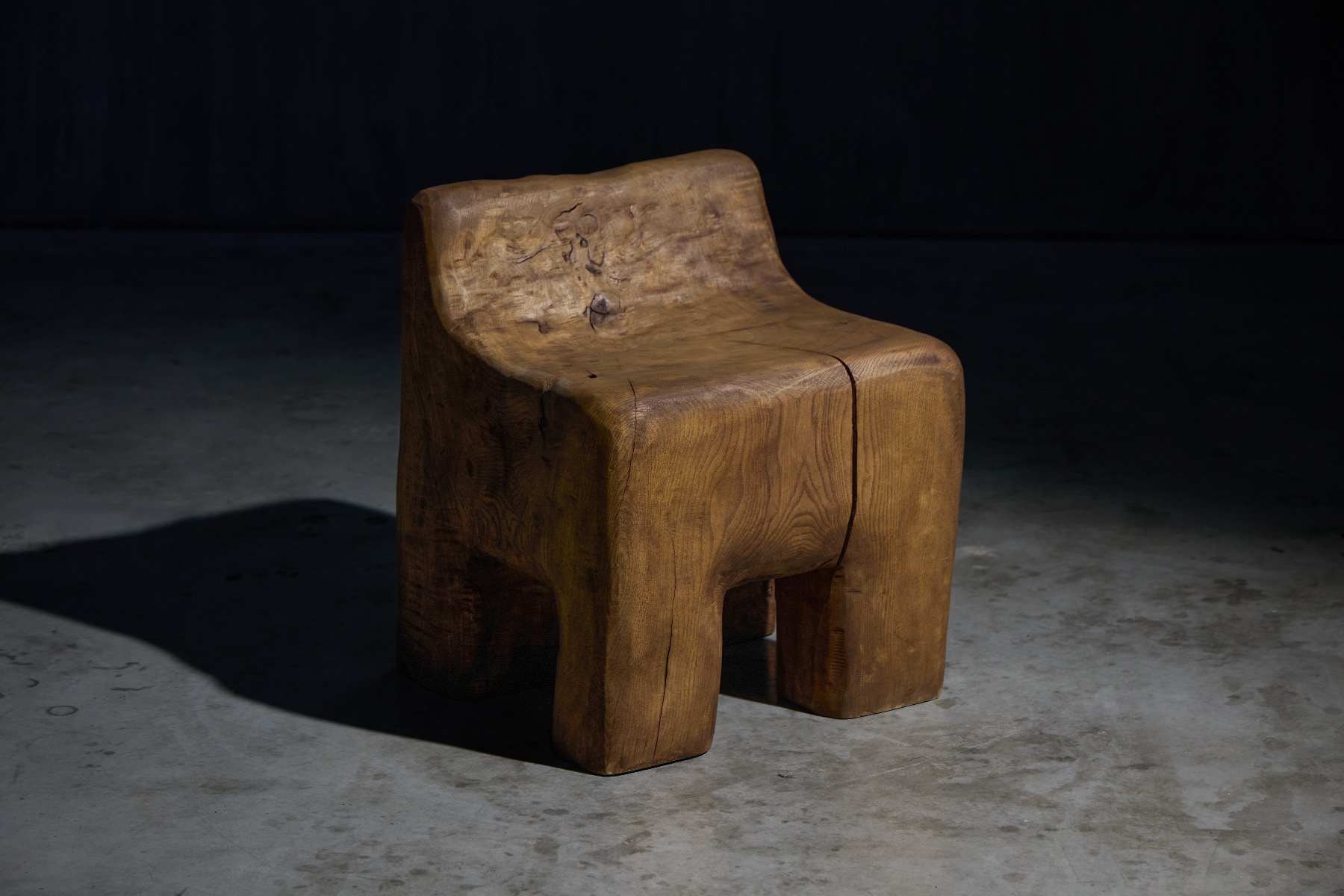


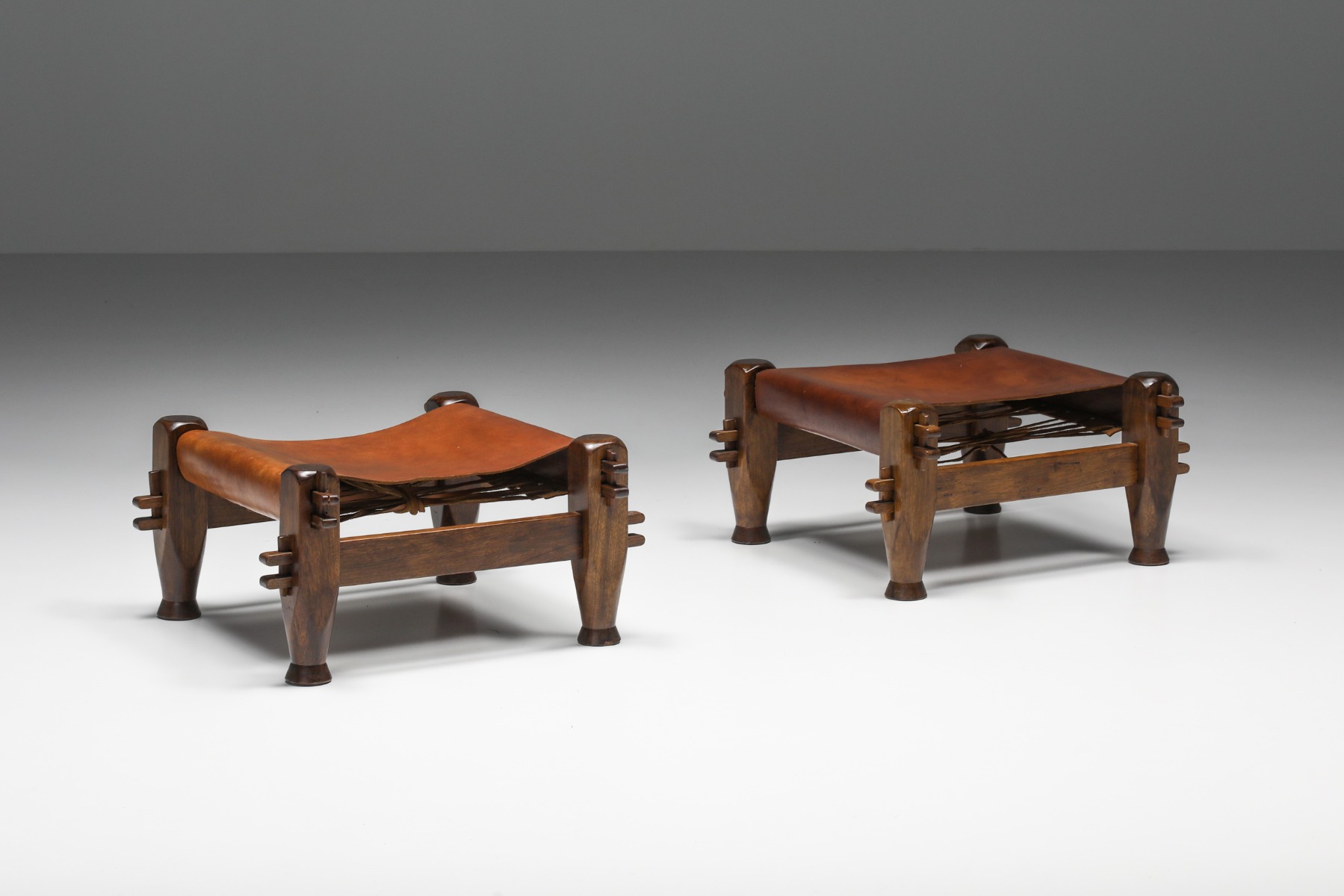
What does Brutalist furniture look like?
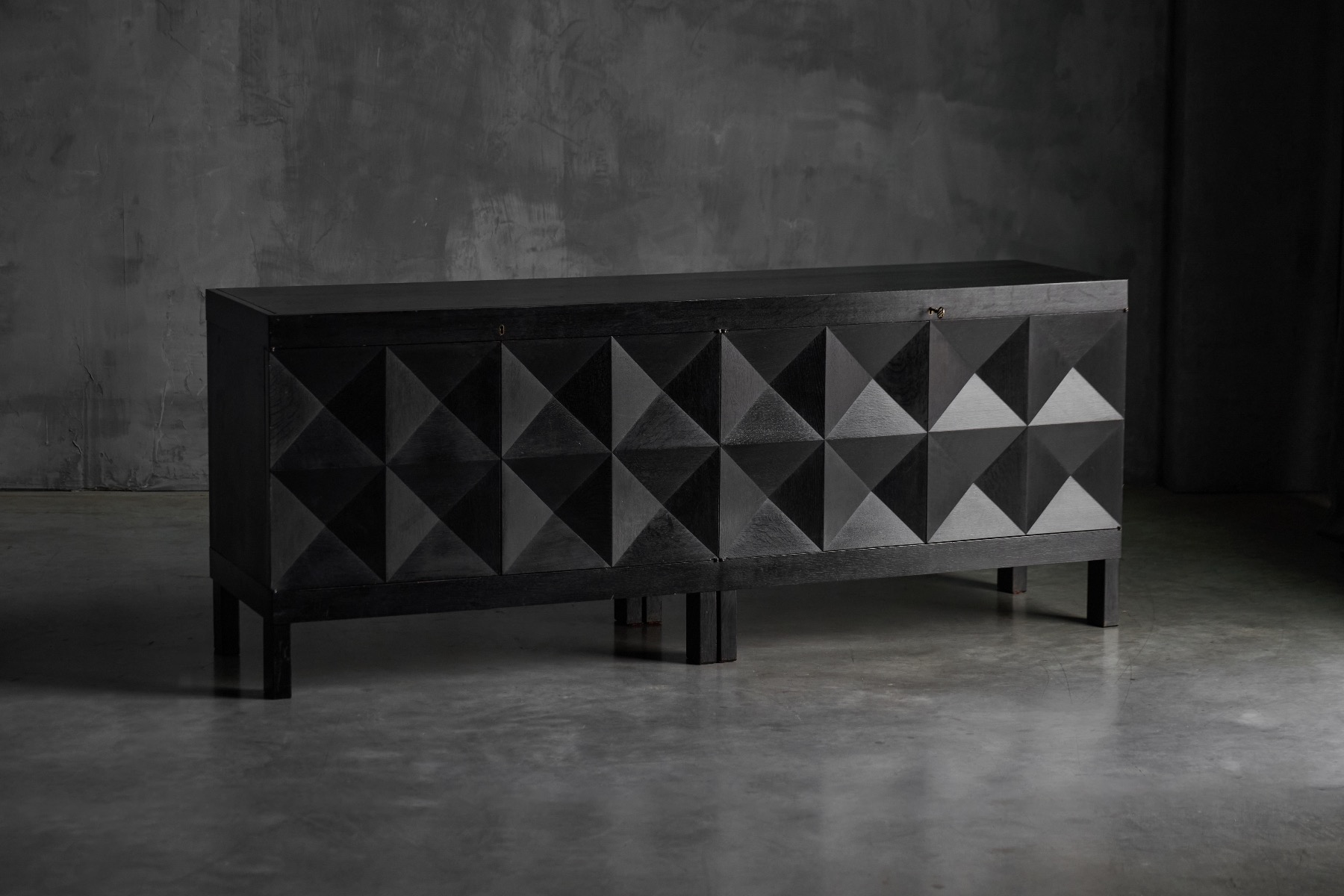
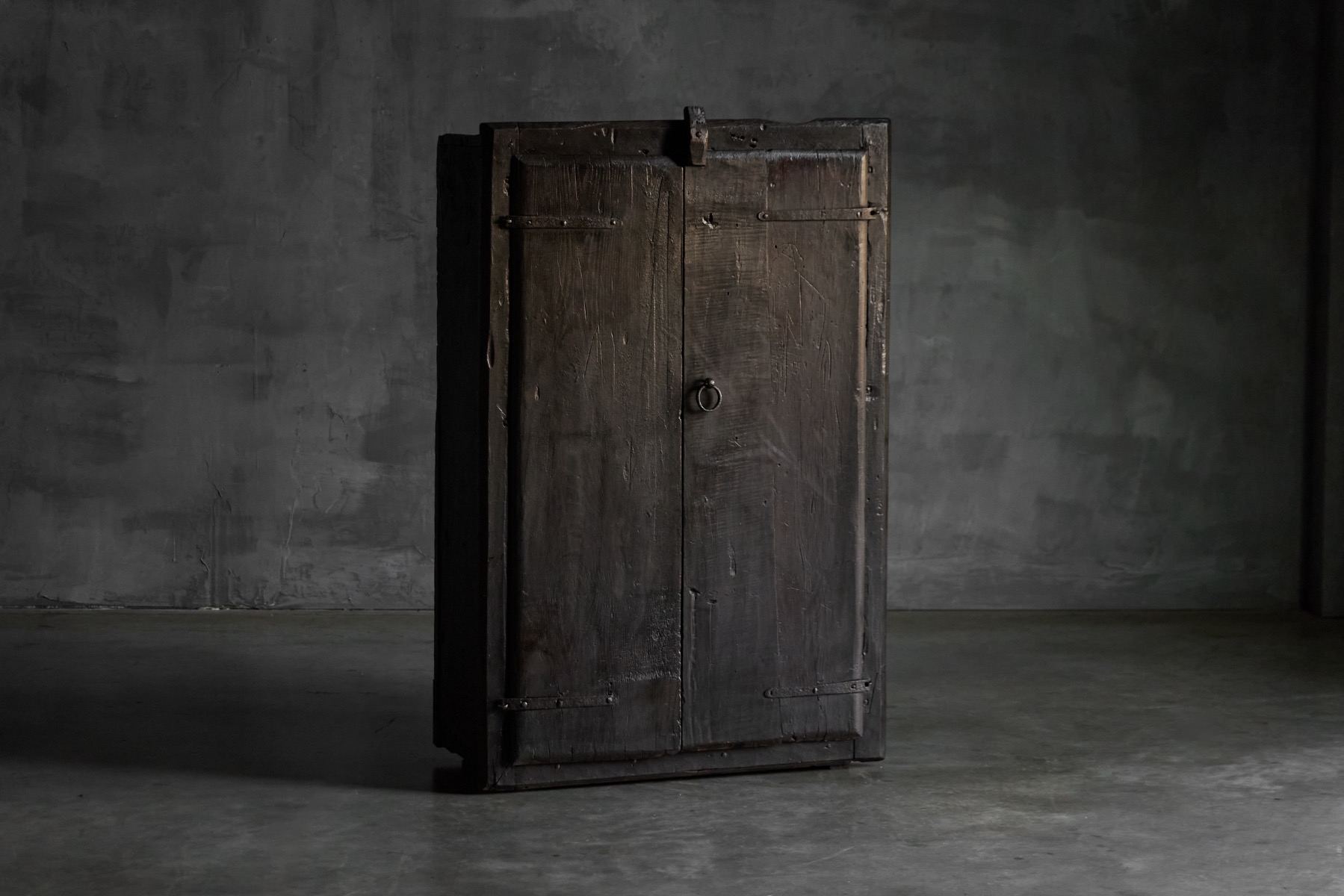
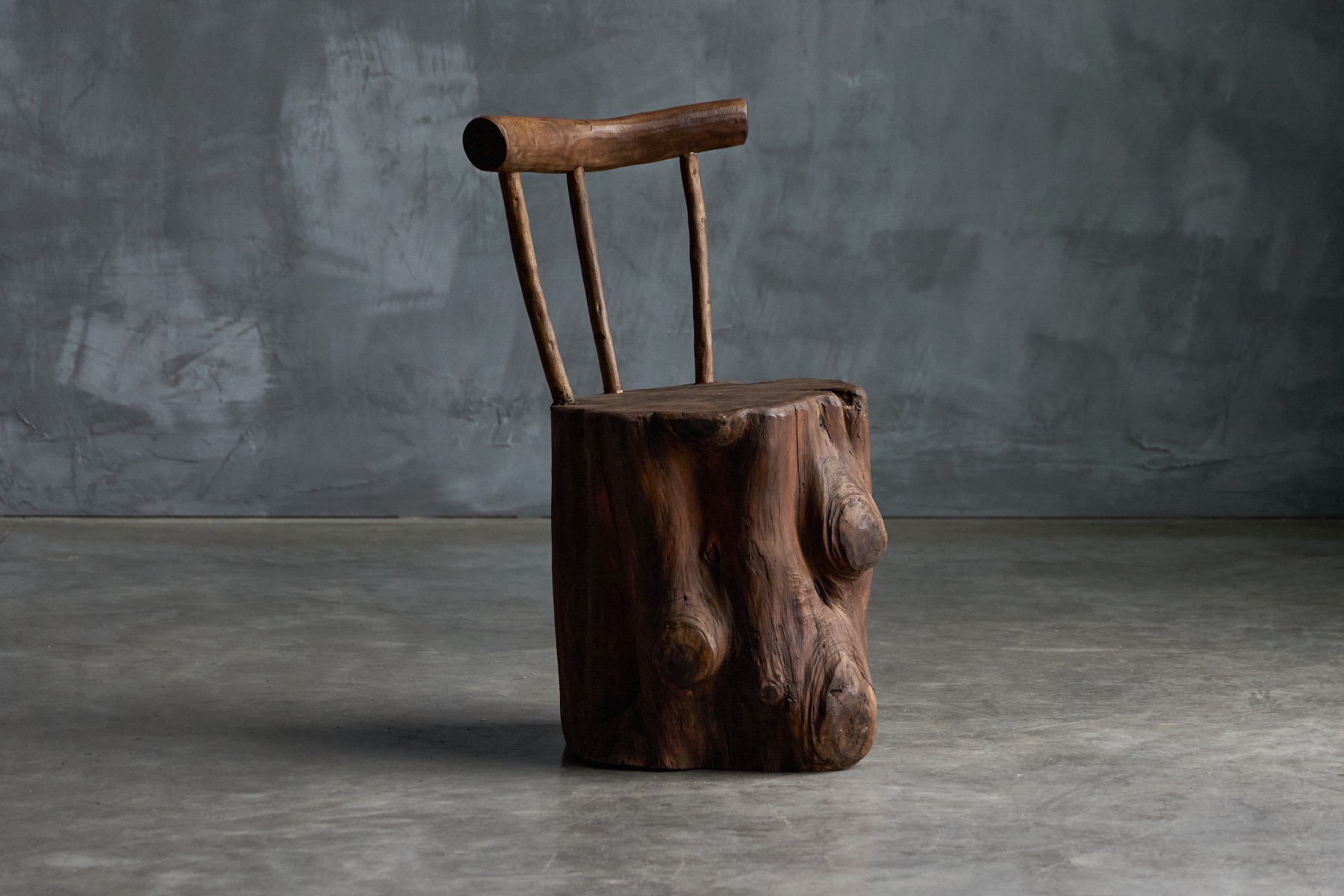
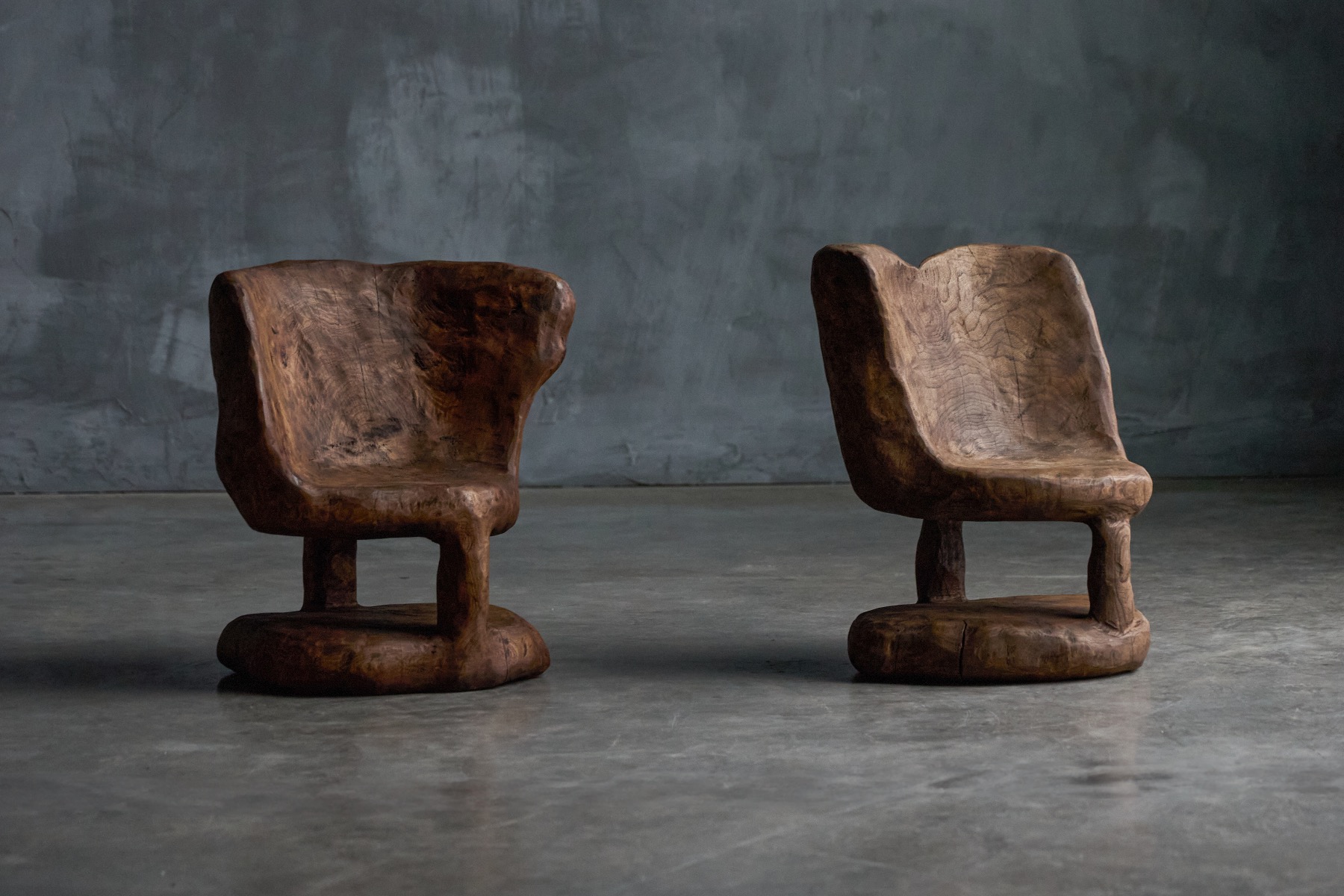
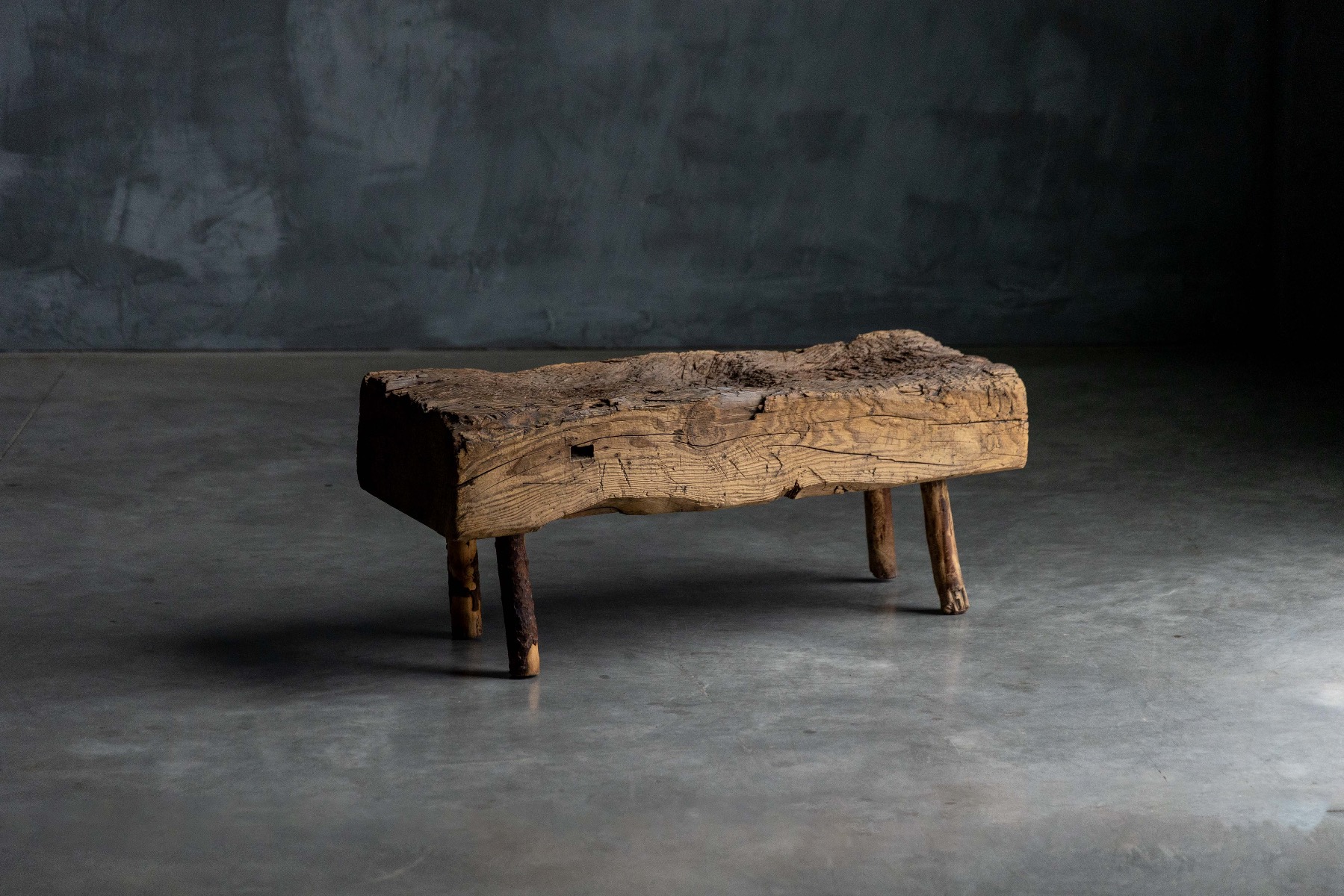
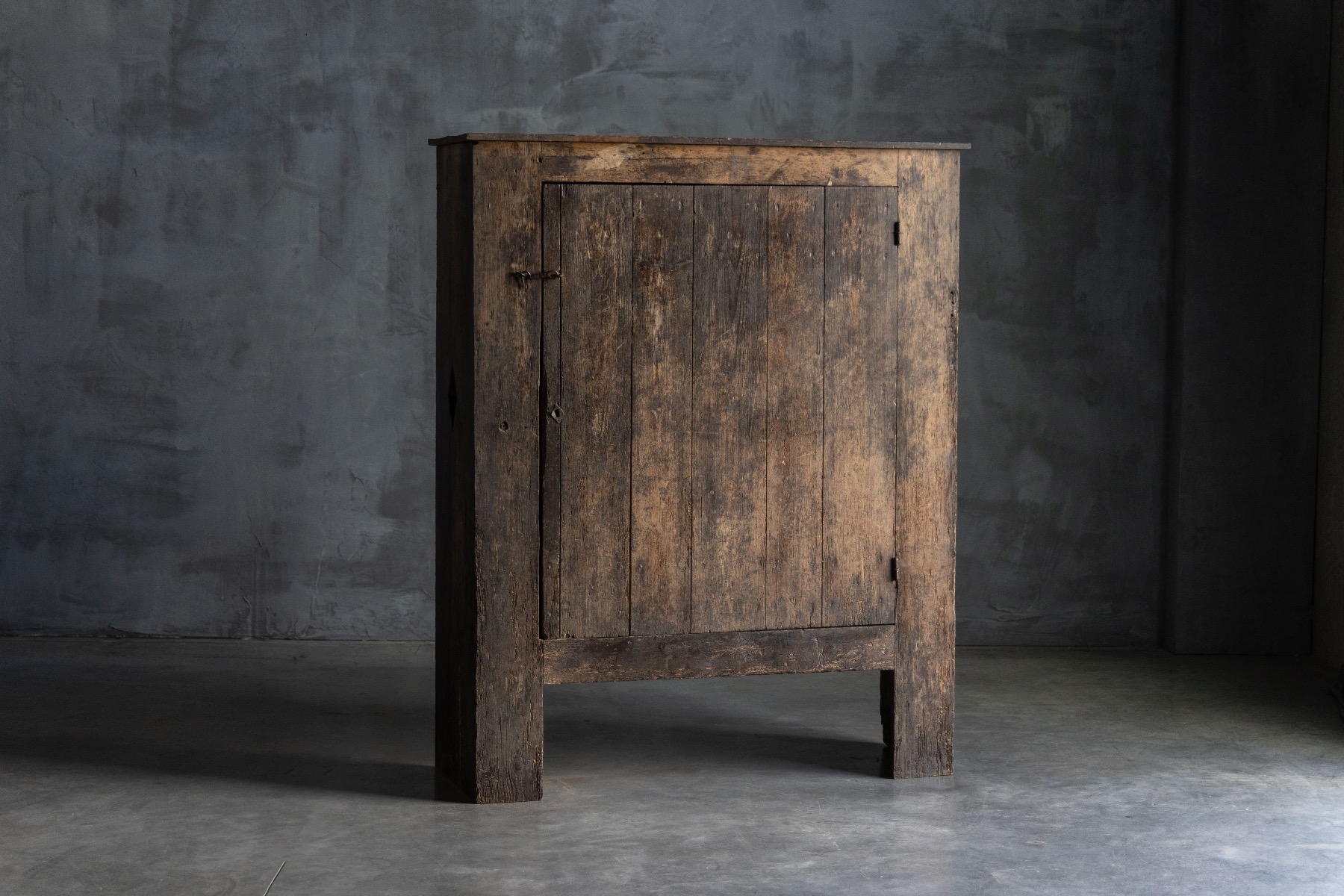
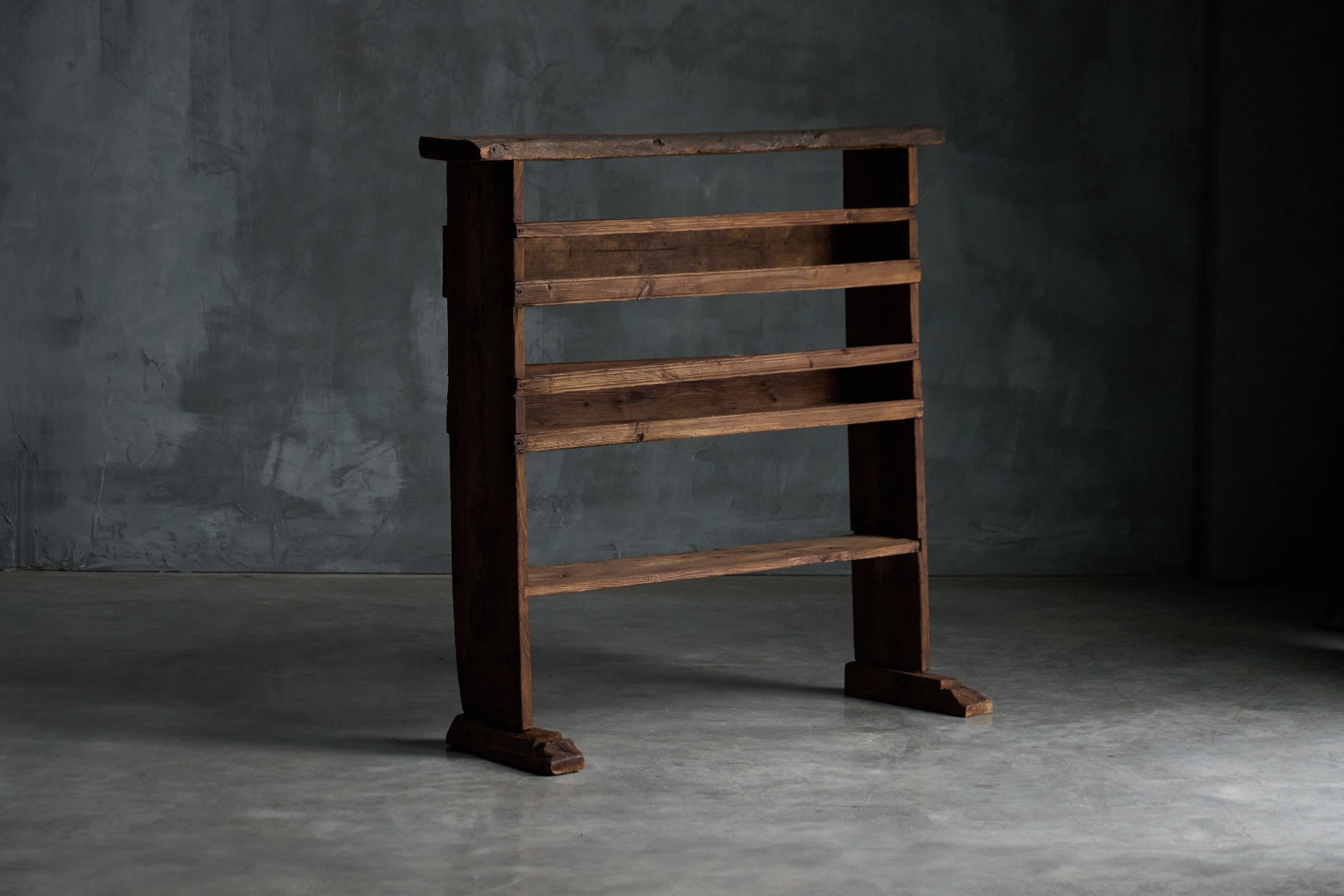
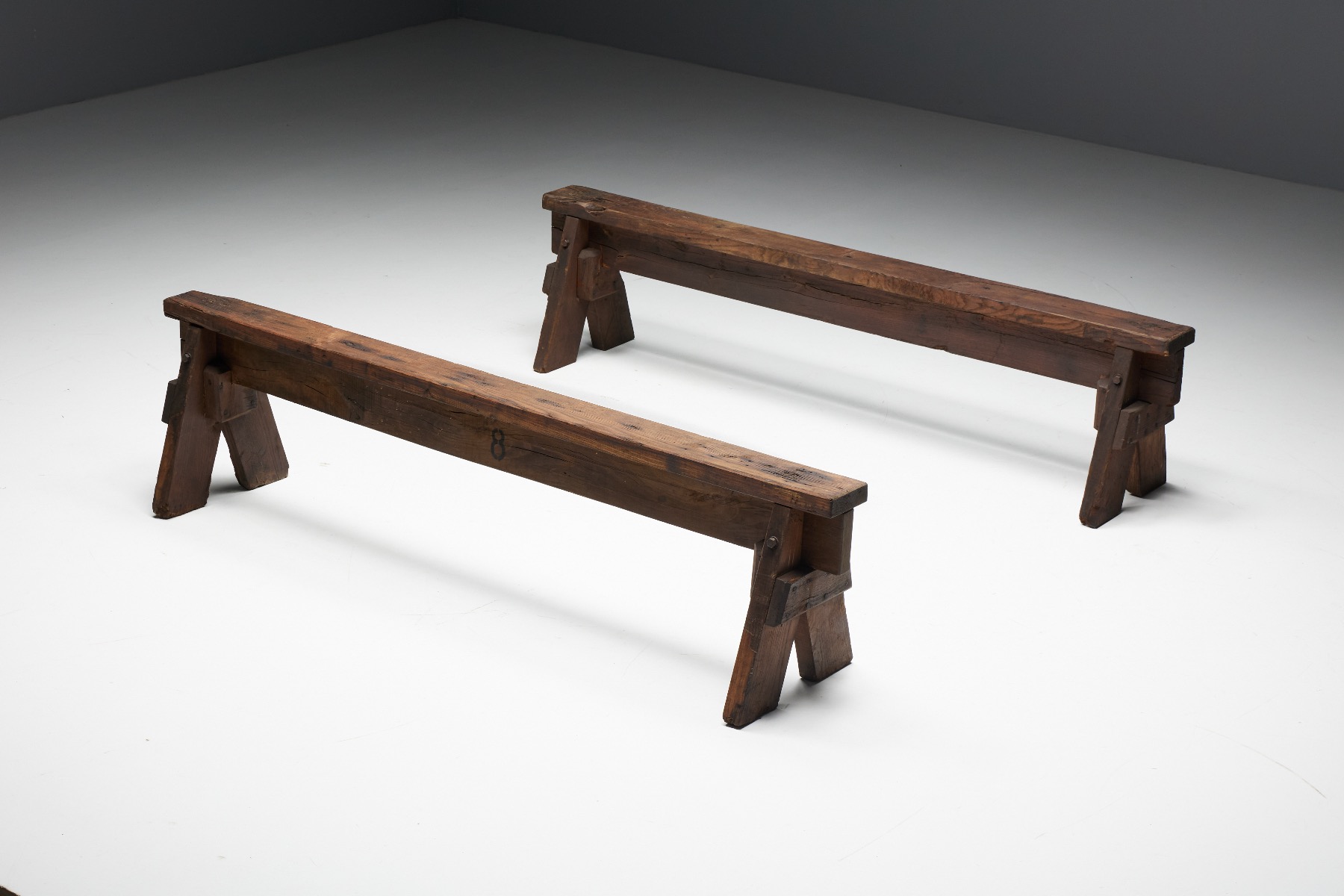
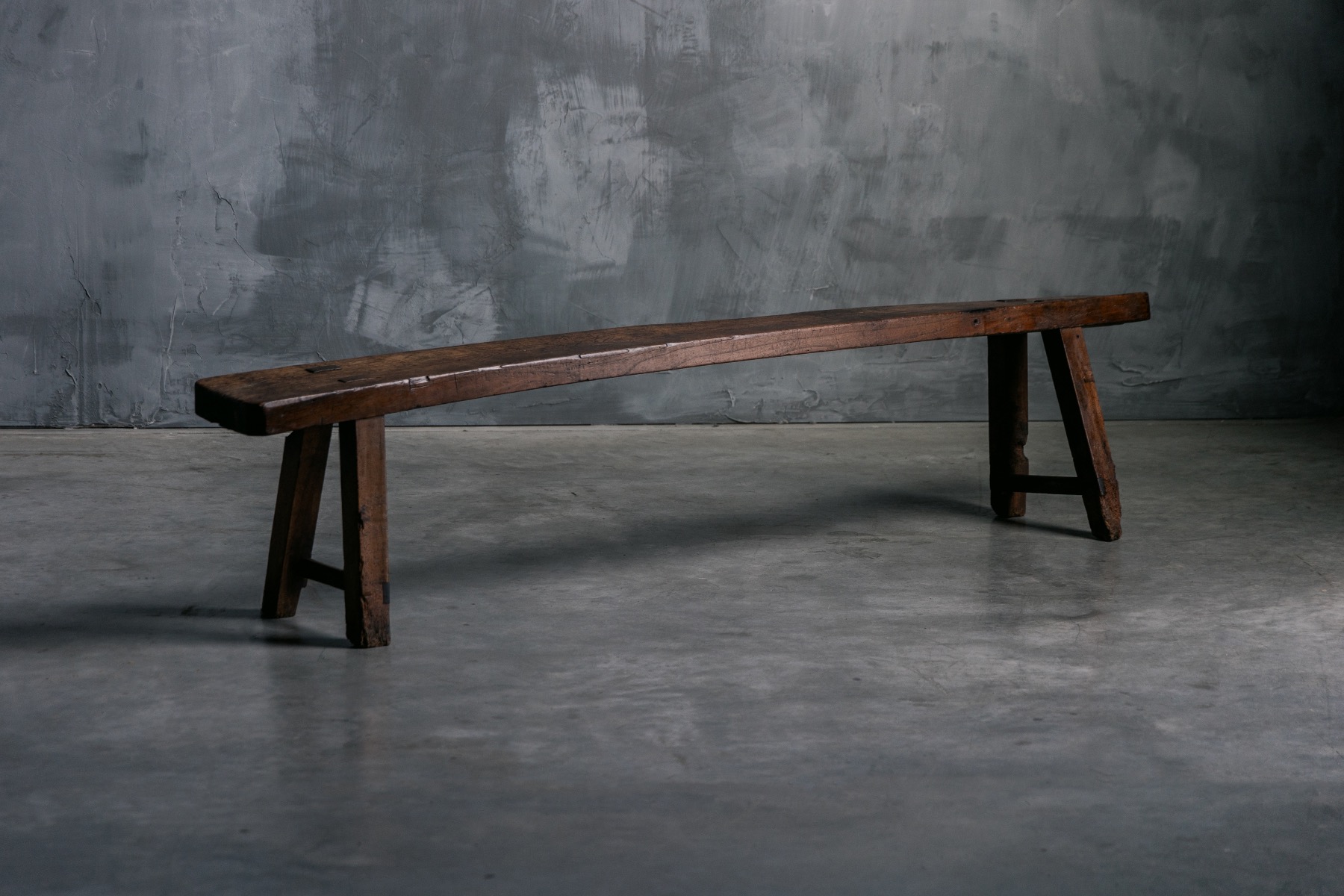
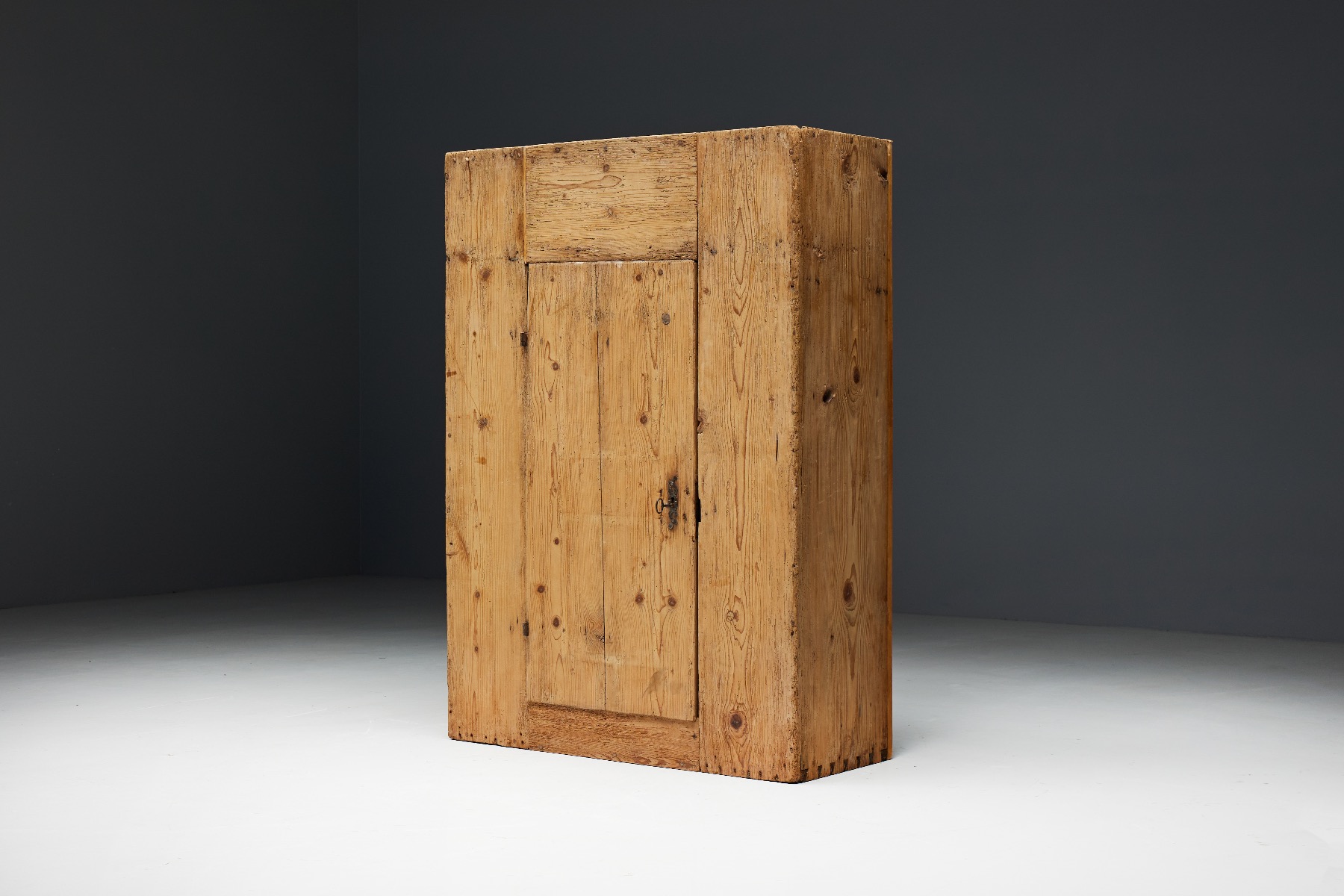
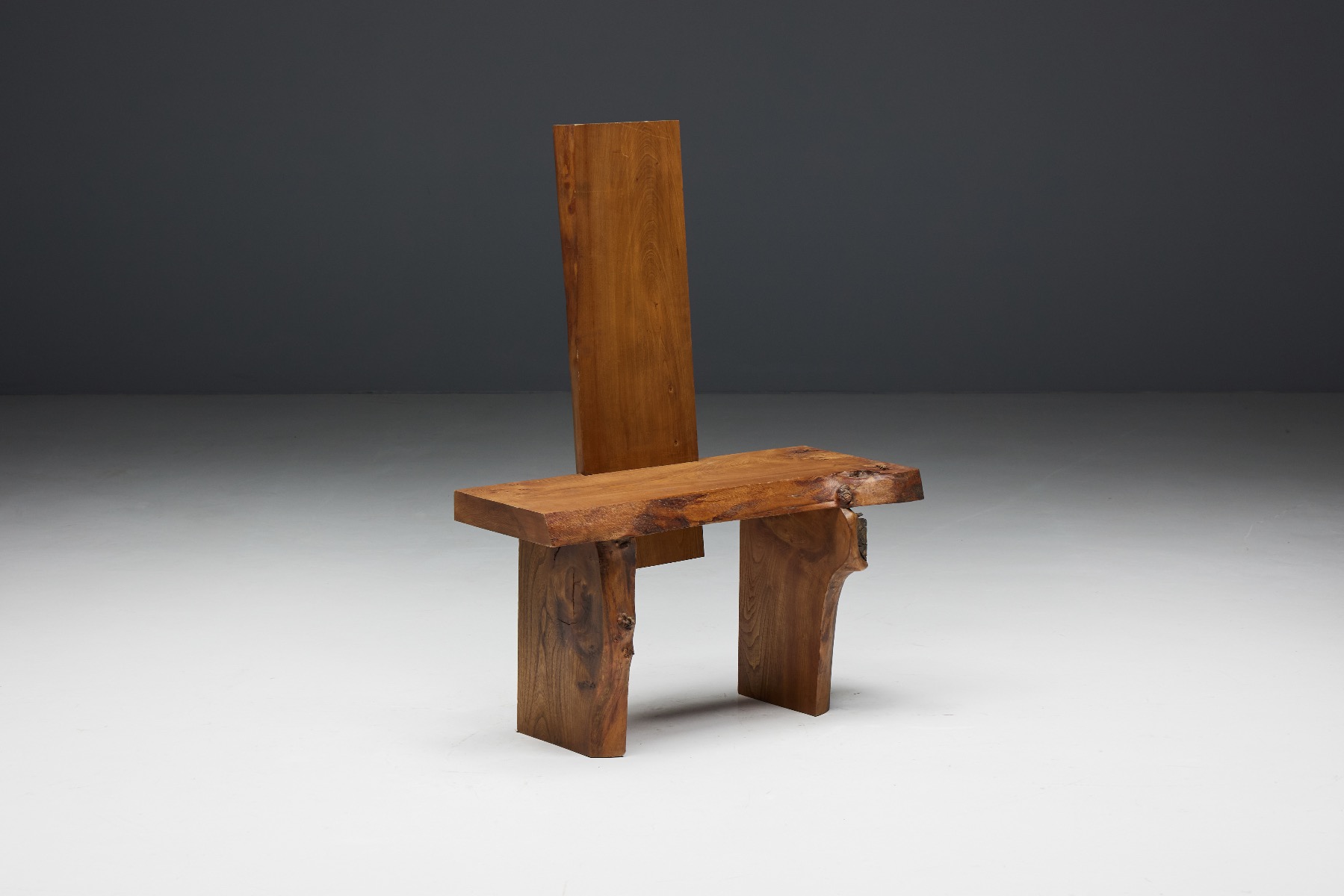
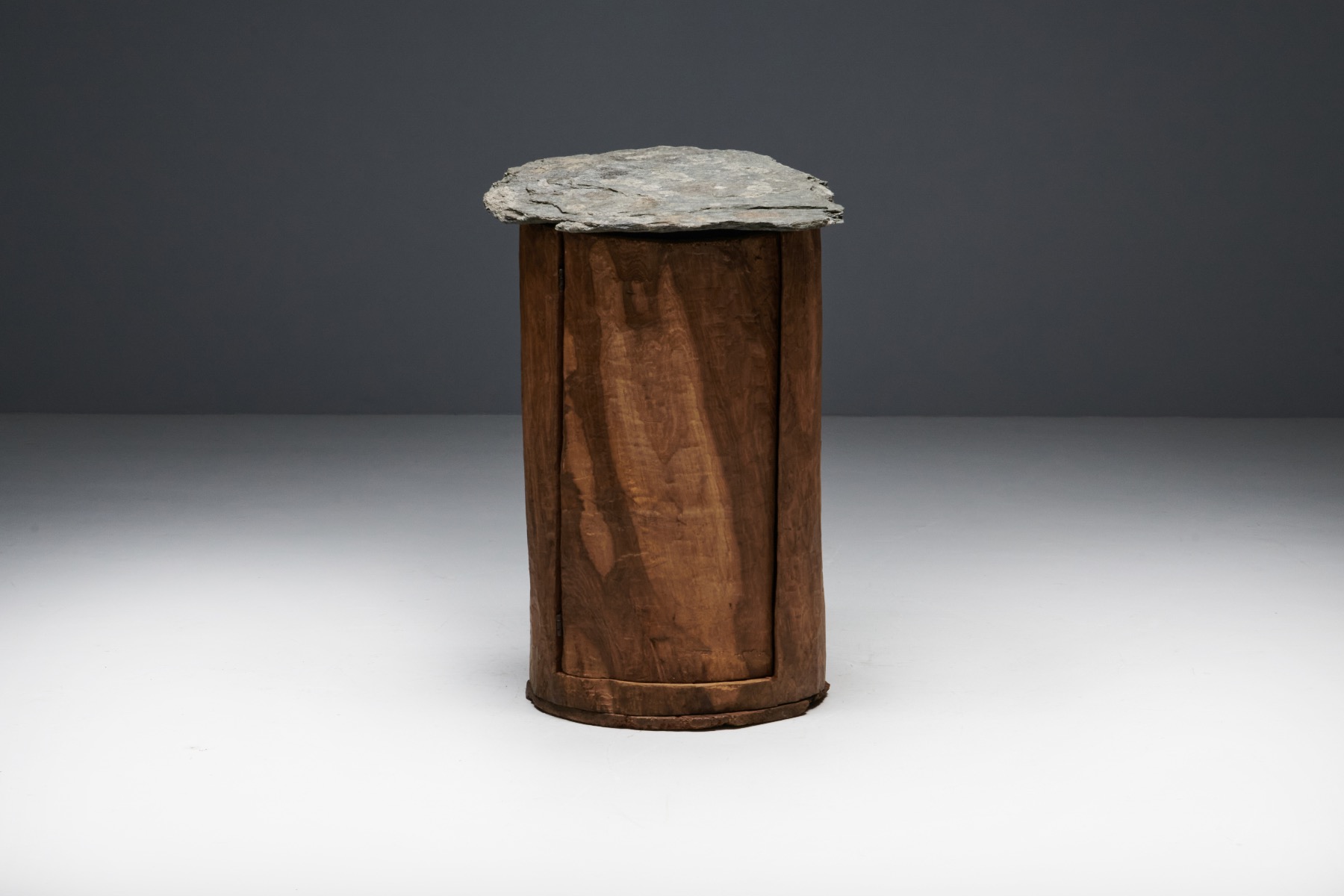
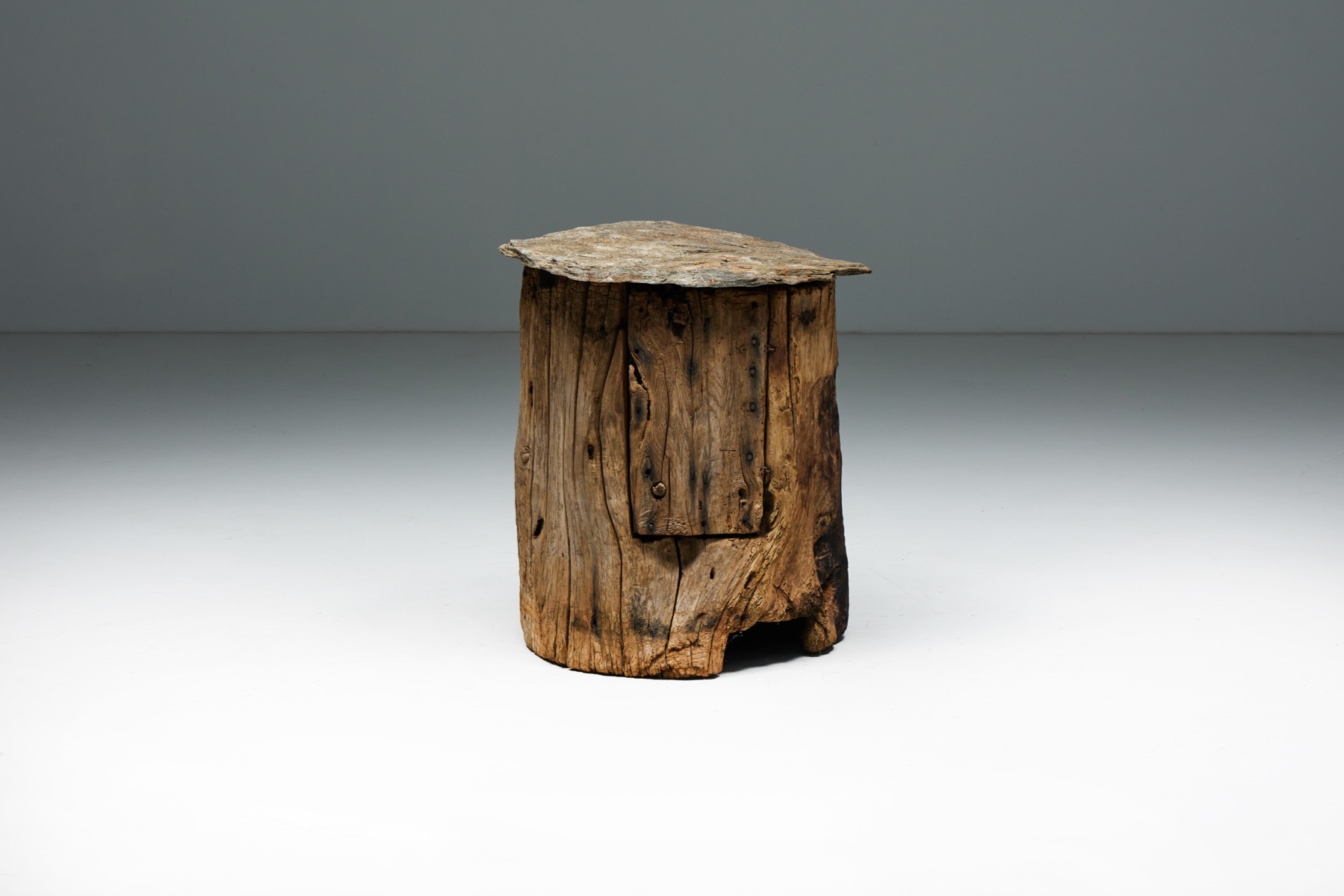
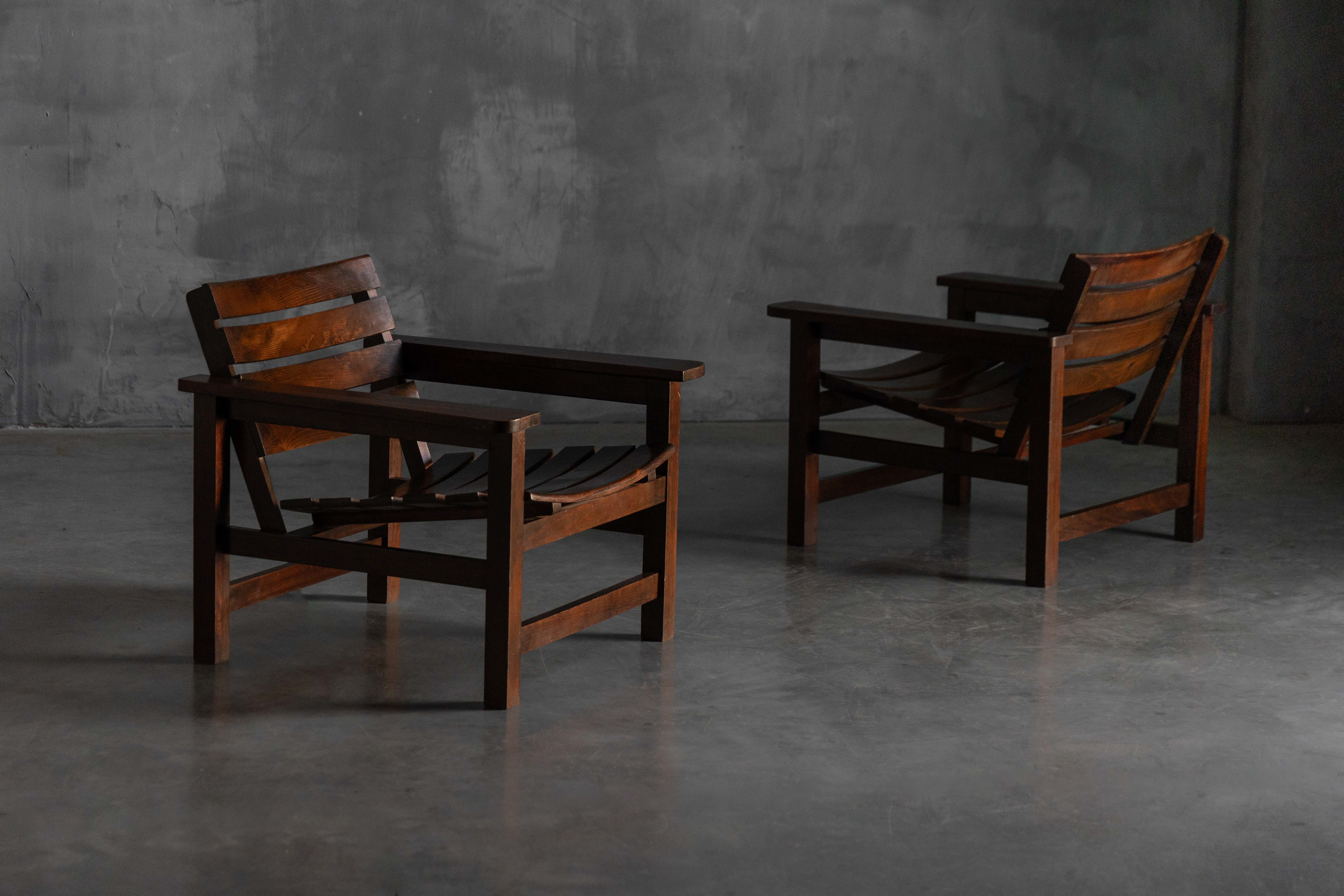
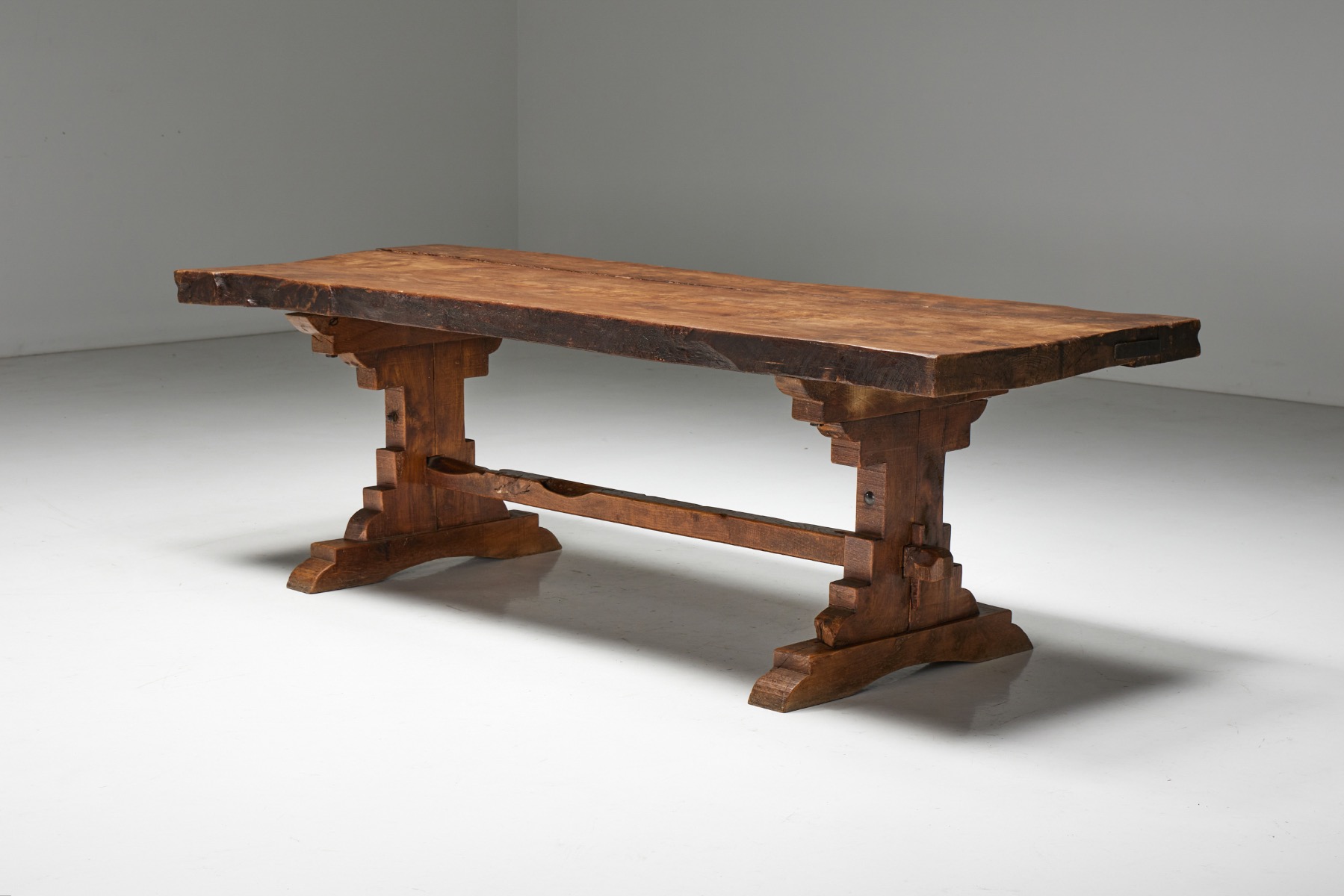
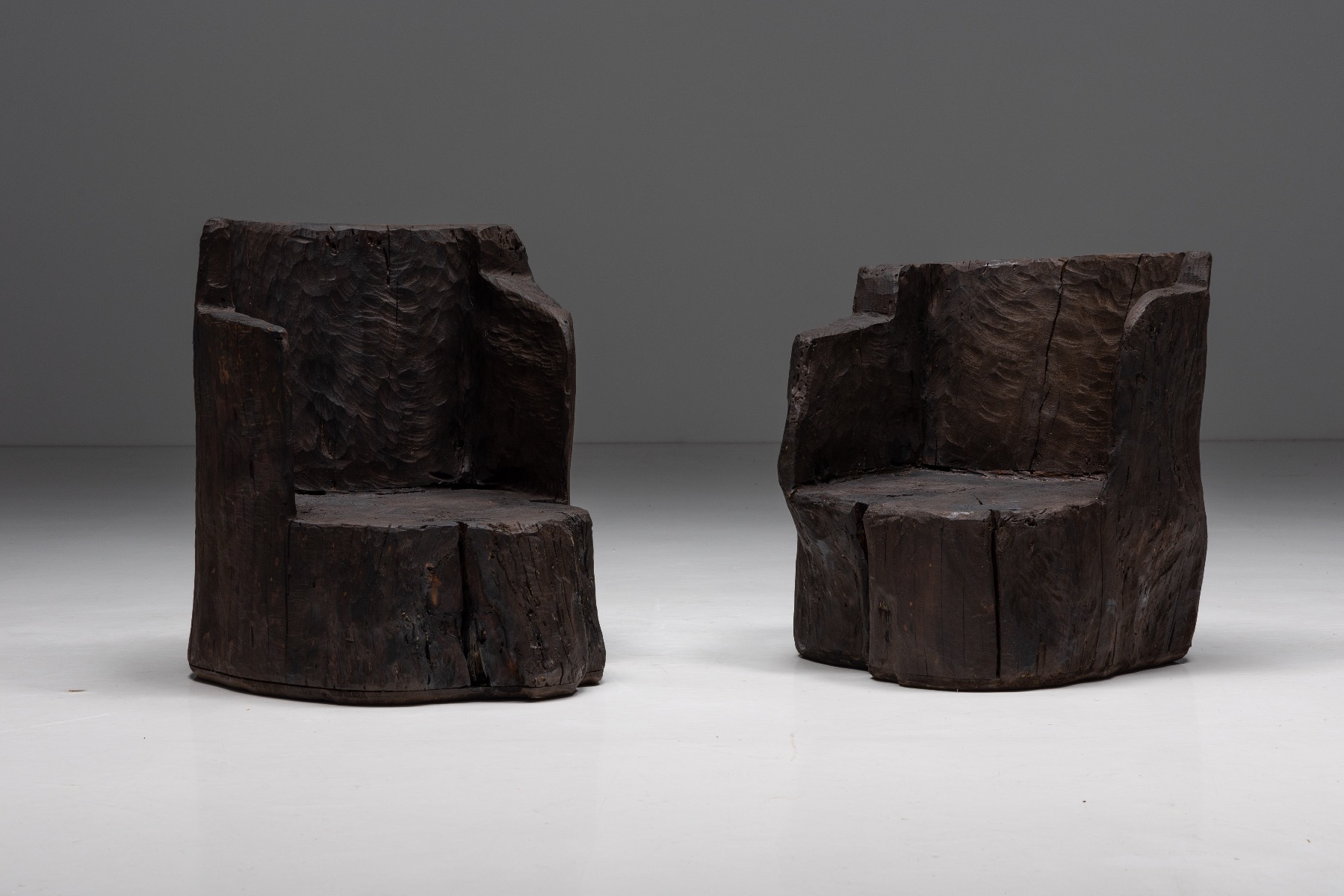
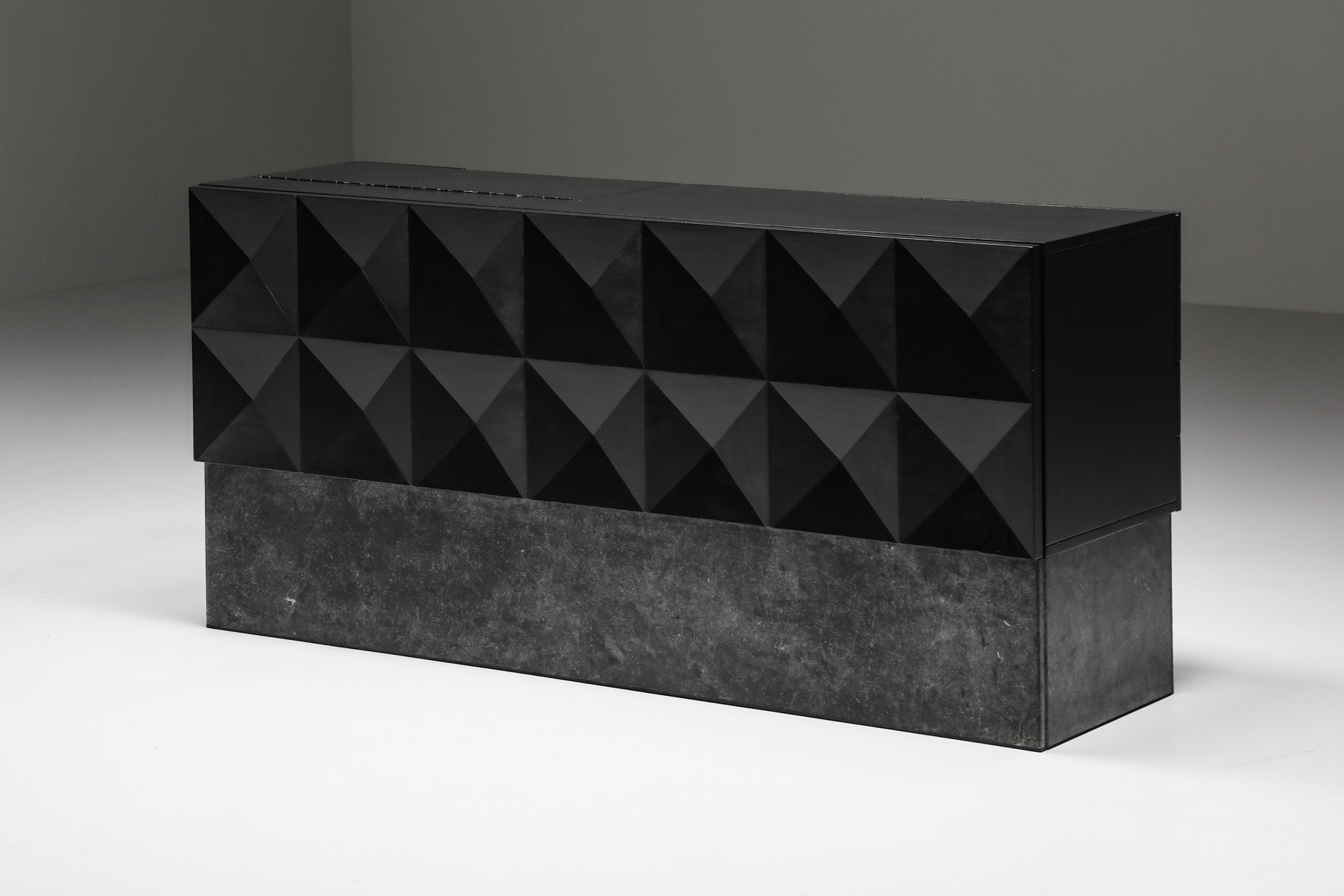
Brutalism is best known as a postwar architectural movement. In furniture, the term is used more broadly for pieces with emphatic volumes, textured surfaces and a clear expression of how they are made. Some pieces are heavy and geometric. Others have irregular outlines or direct tool marks. A carved cabinet and a concrete chair can both have a Brutalist character while working differently in a room.
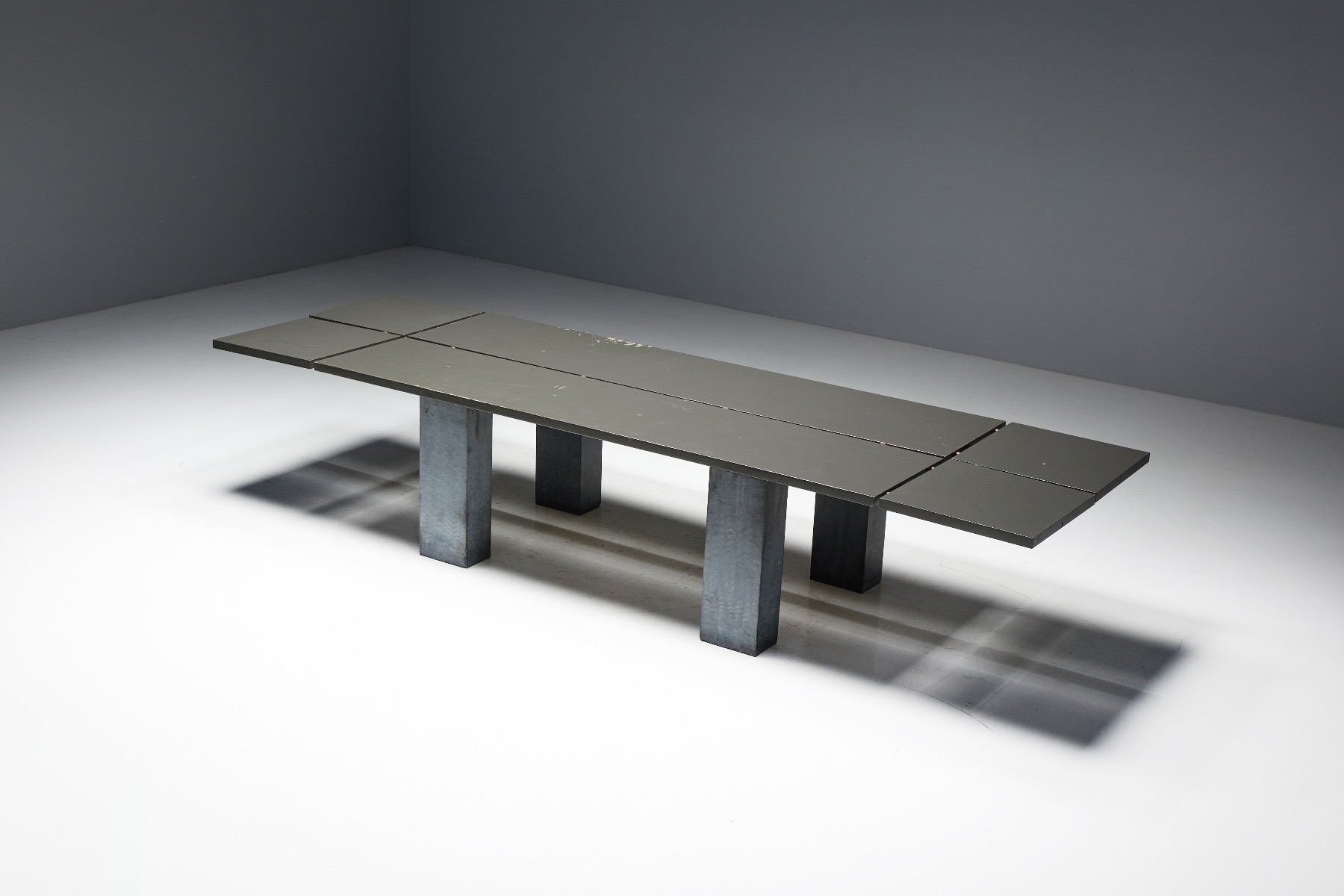
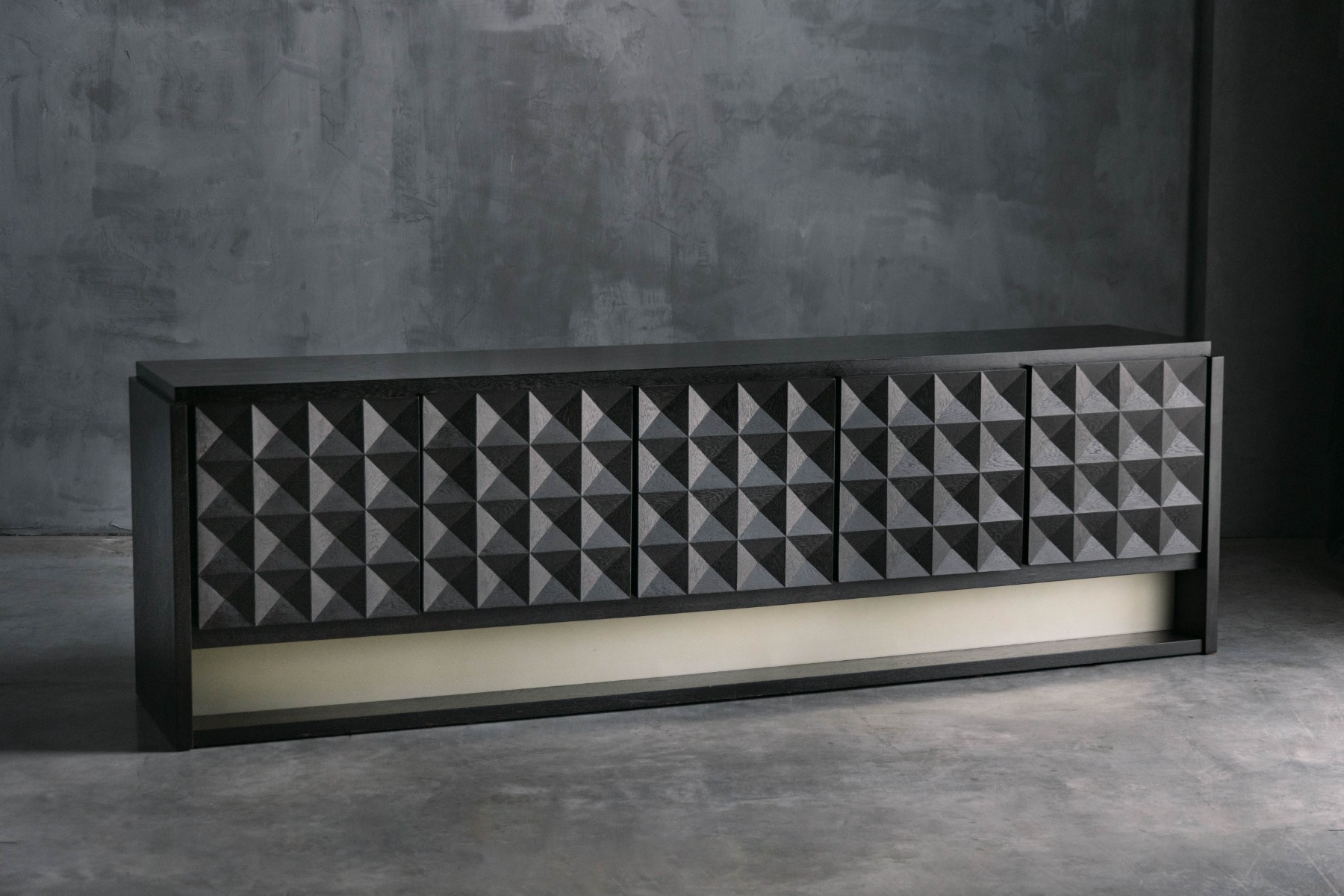
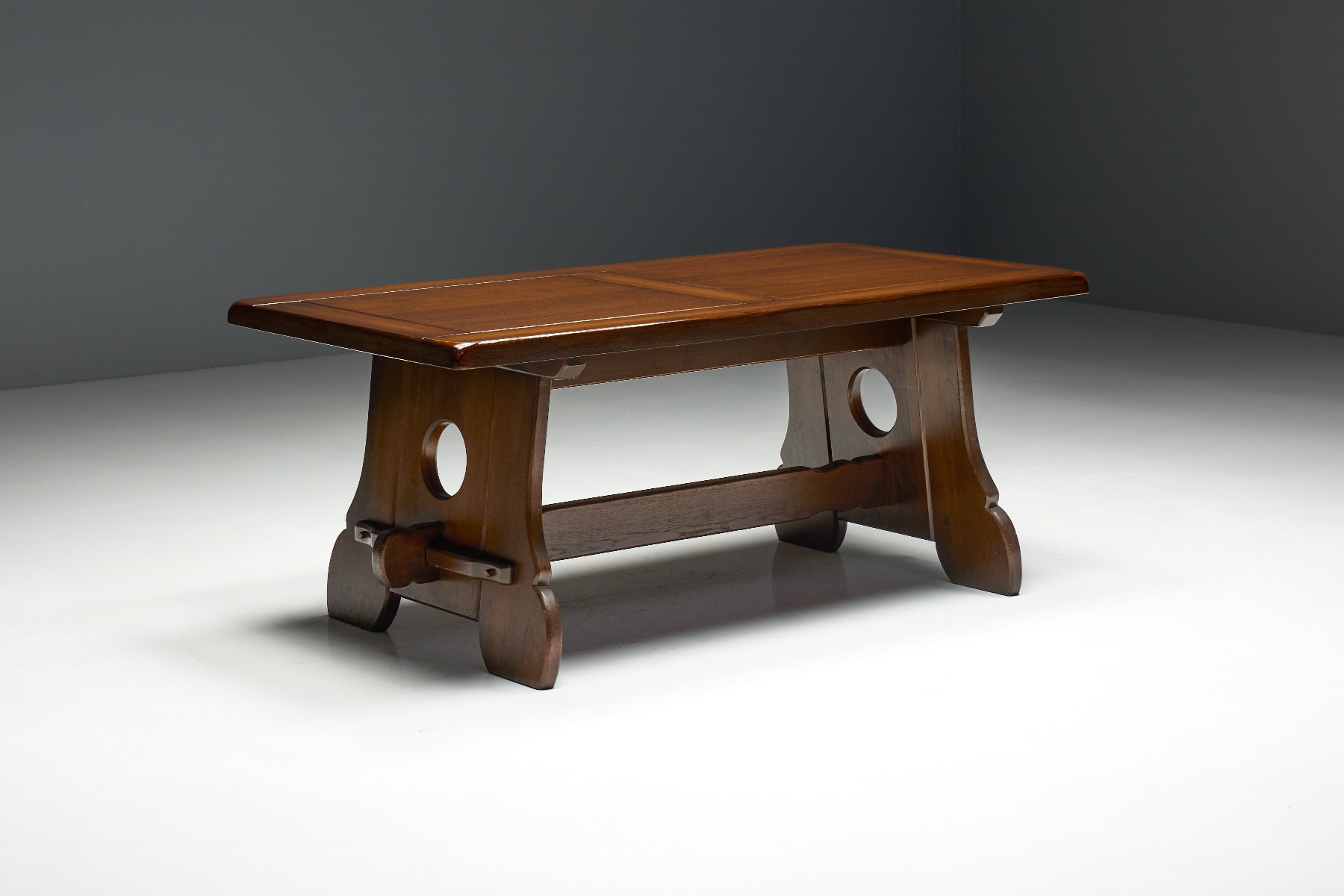
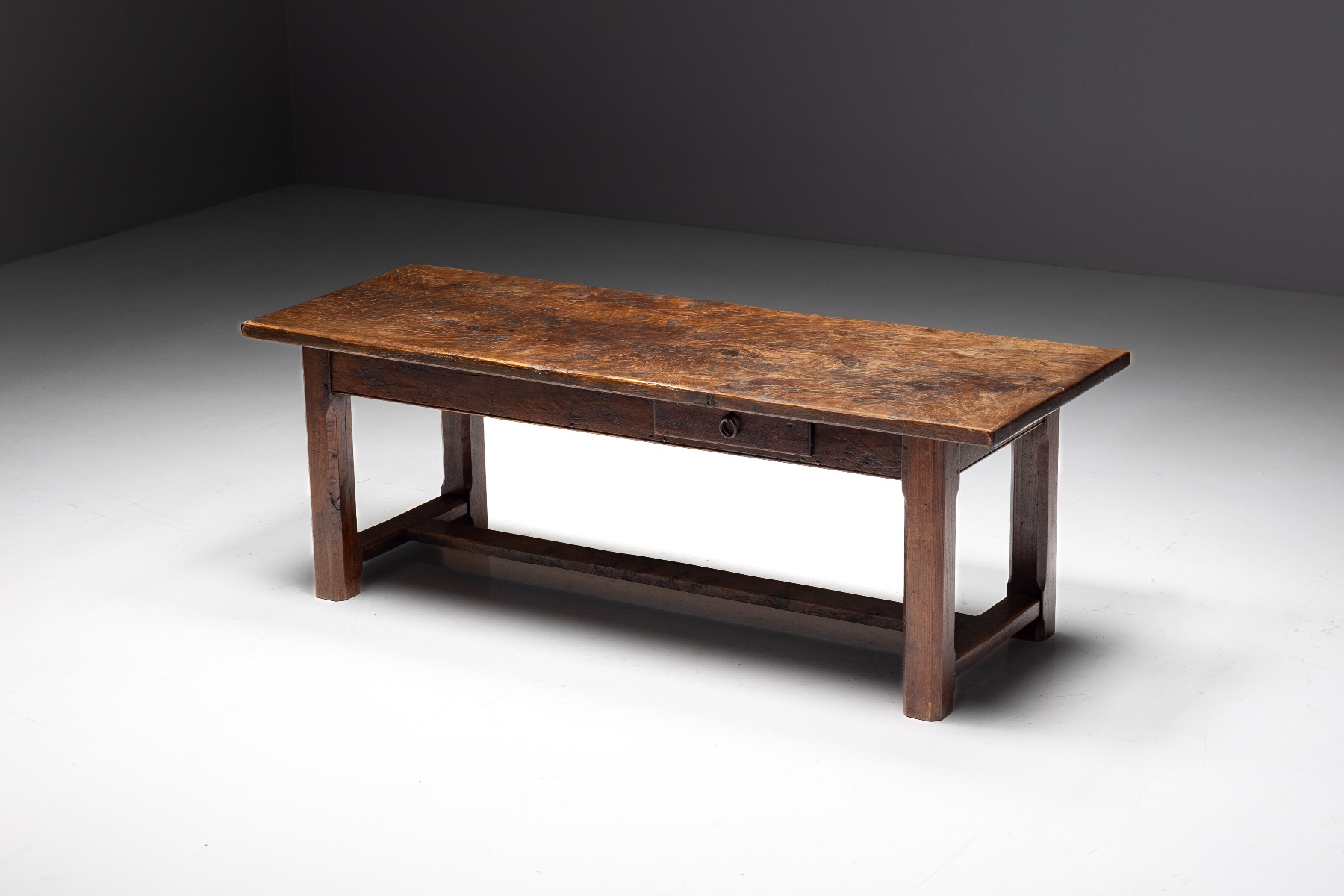
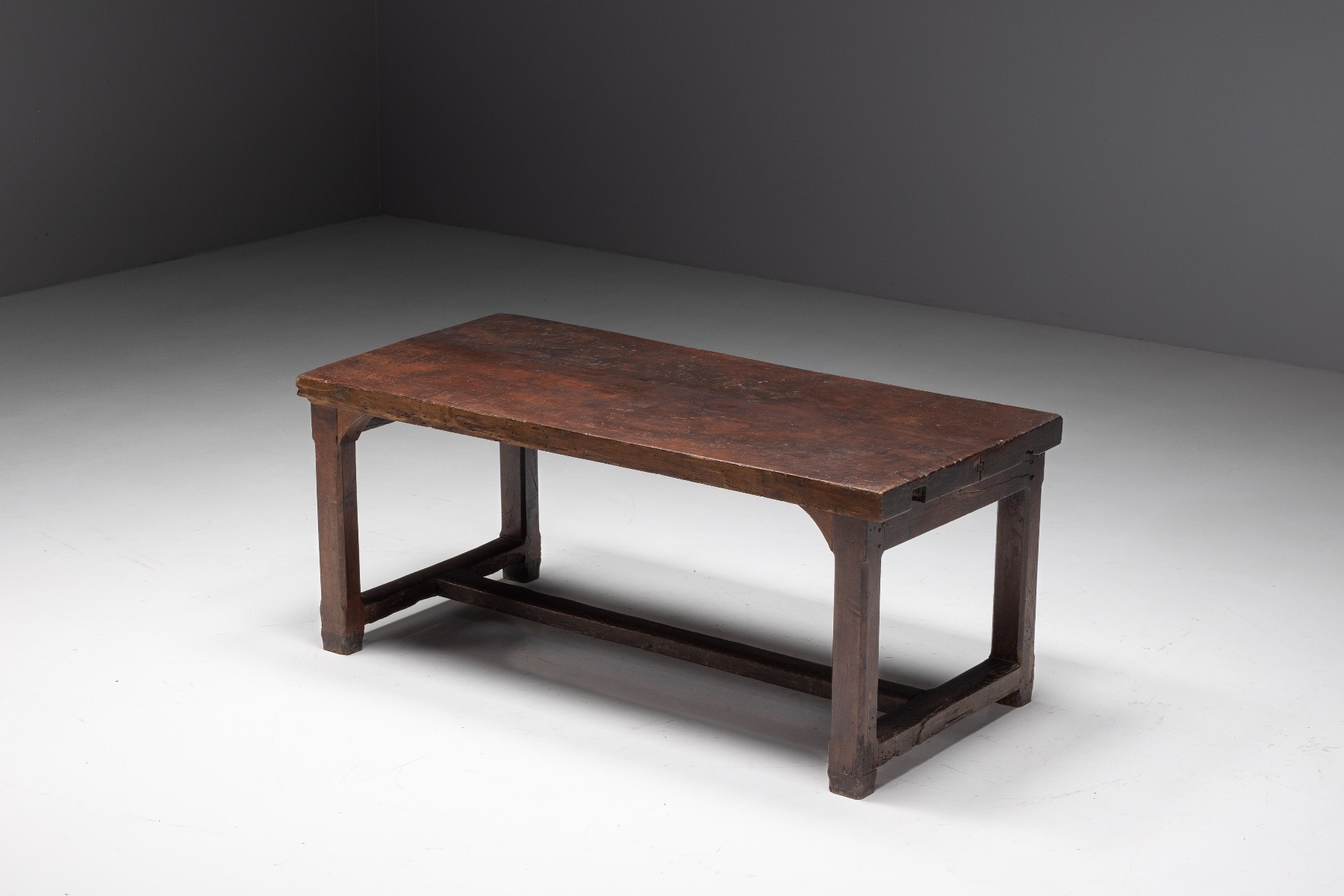
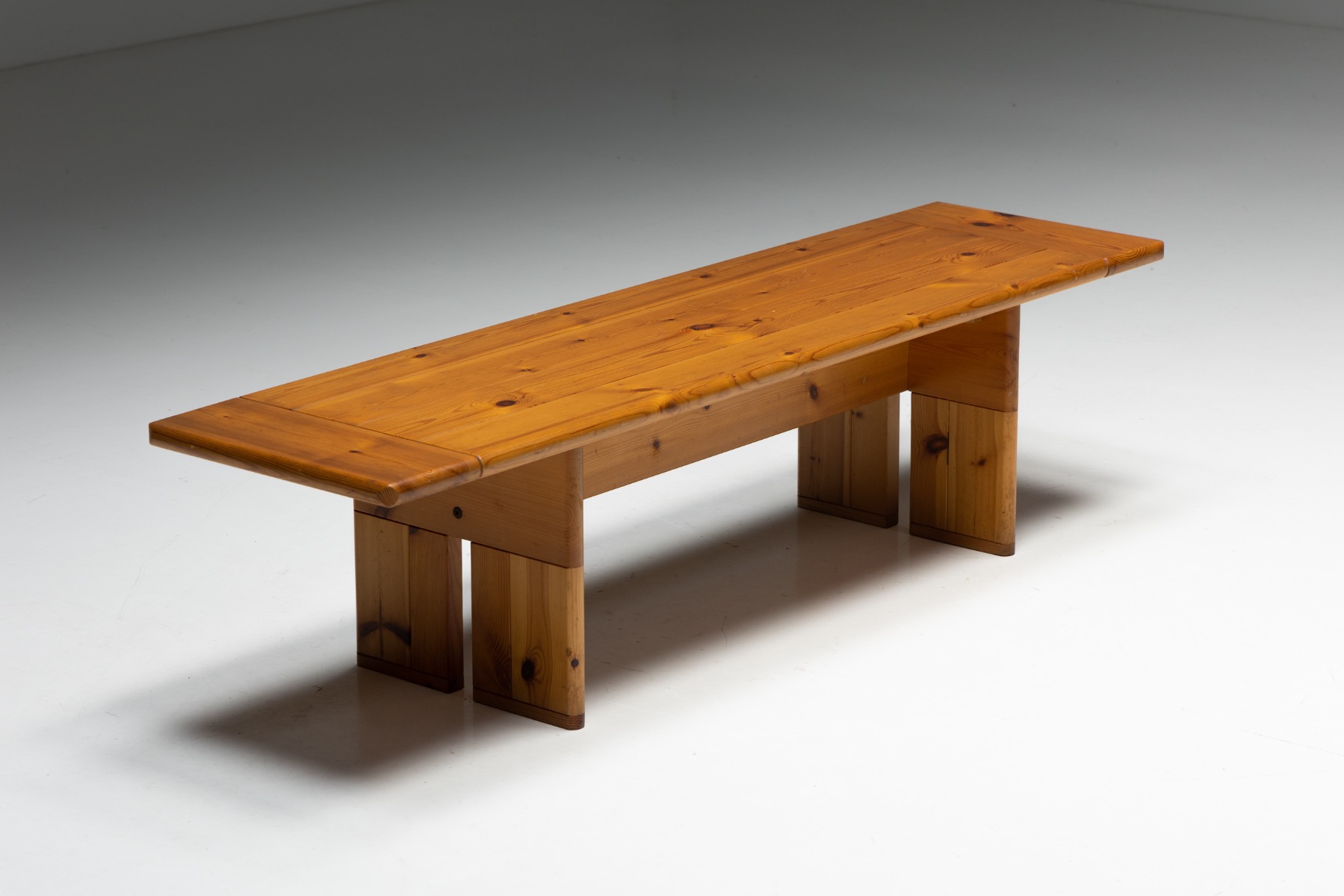
Look for the relationship between structure and surface. Repeated relief on a cabinet can catch light and cast small shadows across its front. A slab table can rely on the shape and position of its support. Goldwood’s selection includes work by De Coene and Pia Manu alongside pieces in timber, stone, metal and concrete. The individual product pages record the maker or attribution where known.
Choose a piece for the room and the use
For storage, start with the doors
A sideboard with deep relief is easiest to appreciate where you can step back and see the full front. Check whether the doors open clear of a wall and whether the shelves suit the things you plan to store. On carved wood, inspect edges and corners for losses or repair. Notice how the grain and finish change as you move past the piece.
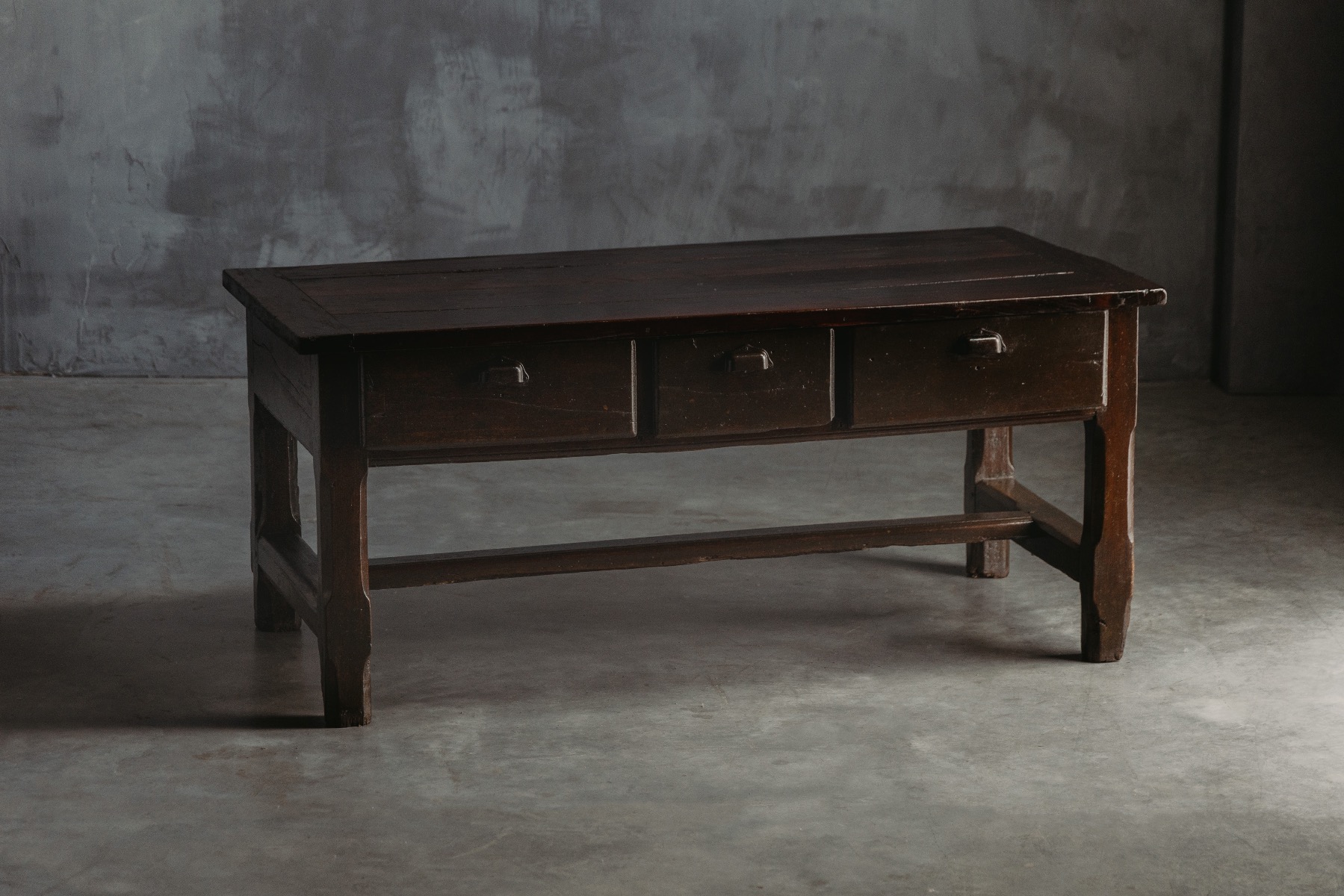
For a table, inspect the base
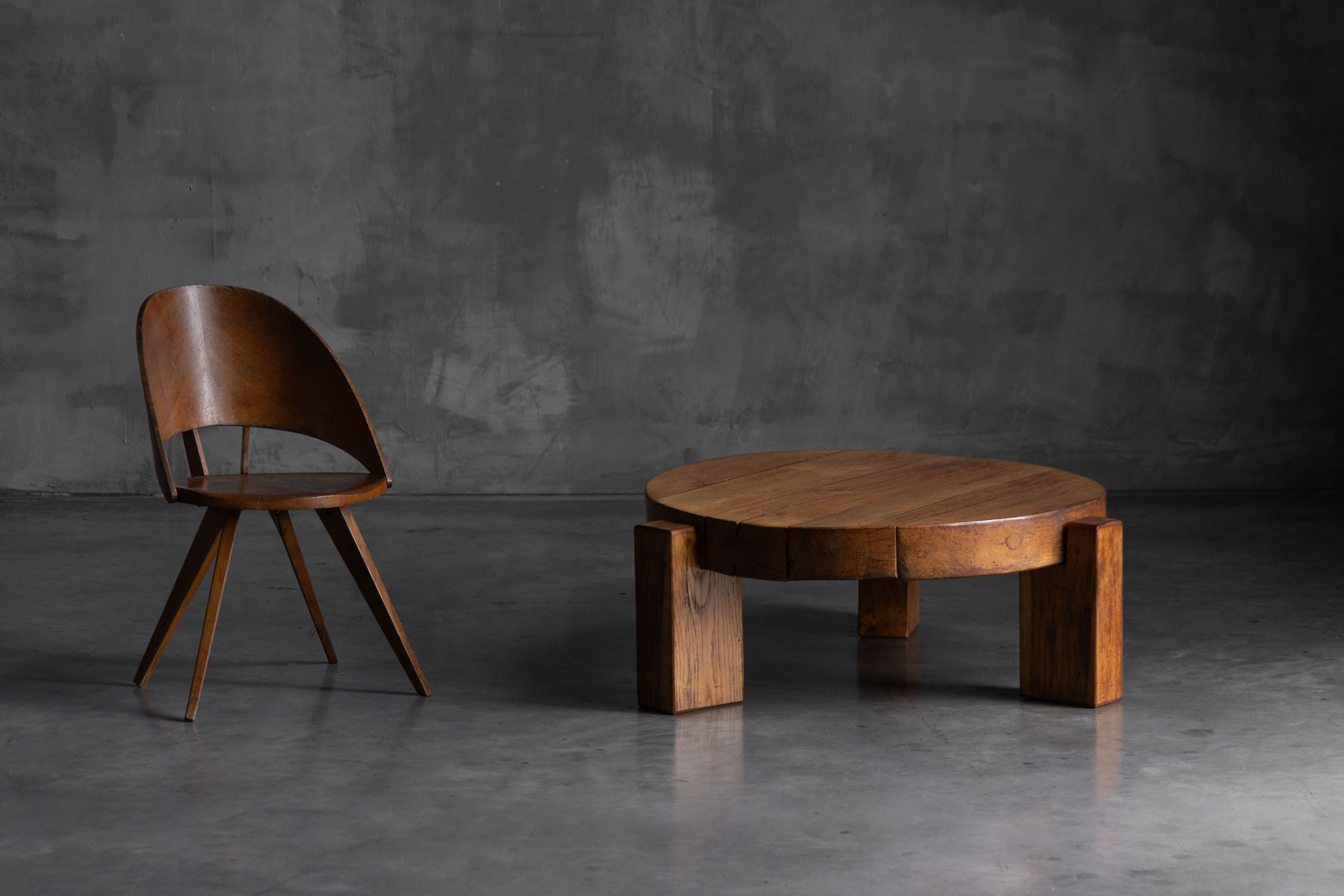
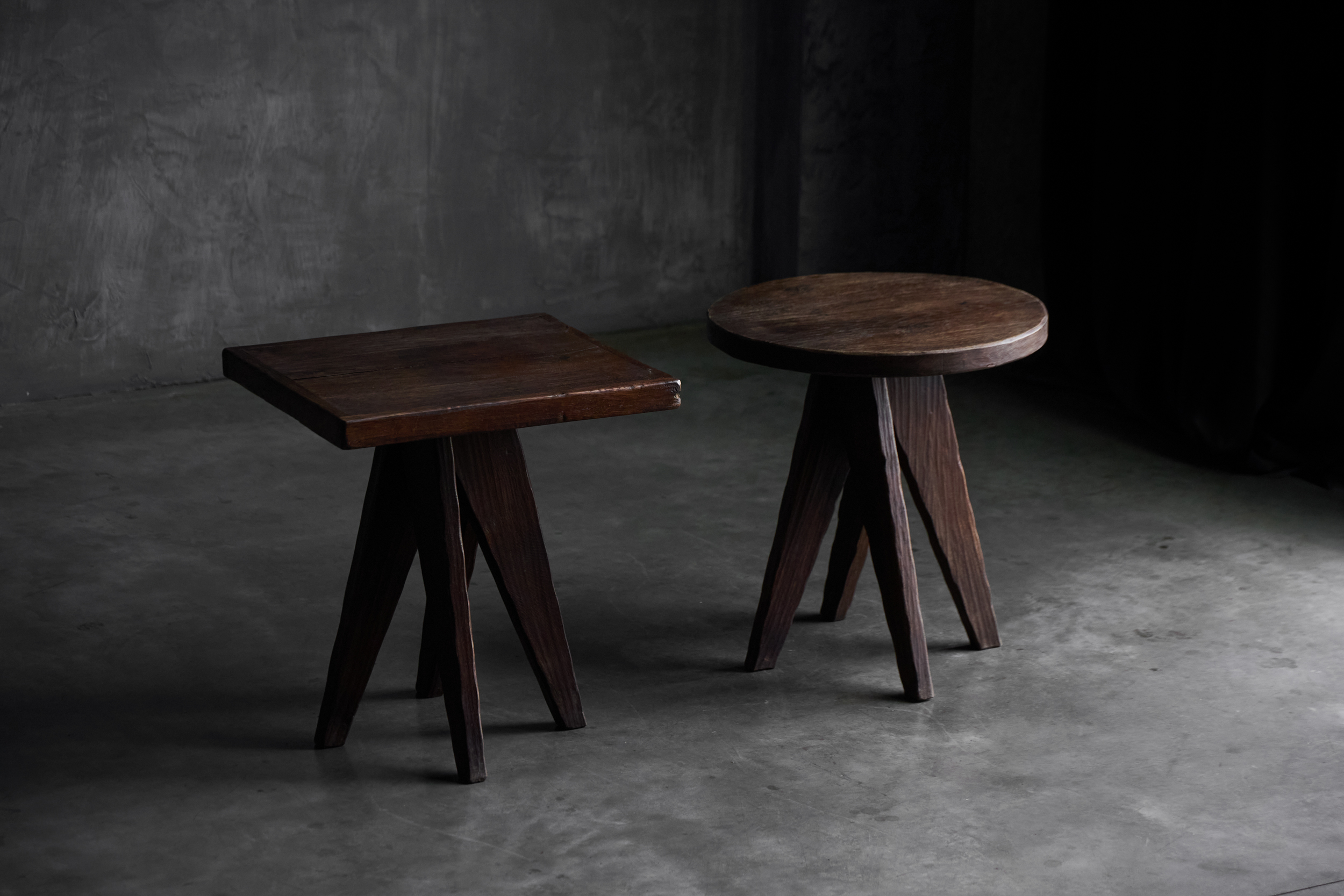
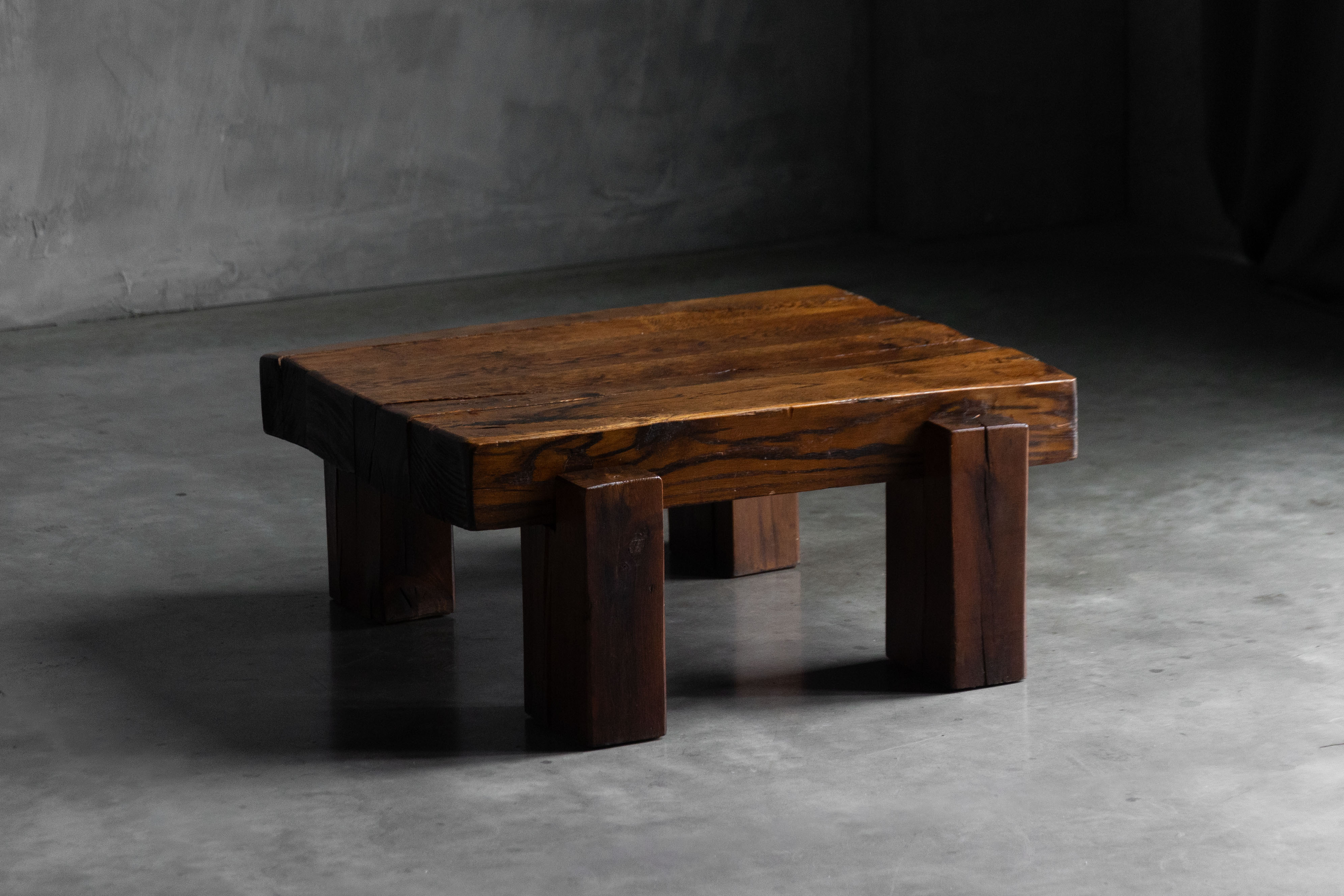
Measure the footprint at floor level as well as the top. A stone or timber base can limit knee space or the way people move around the table. At a dining table, check how chairs fit on each side. At a coffee table, compare the top with your seat height and leave enough space to walk around it. Ask how heavy components are assembled before arranging delivery.
For seating, check comfort and purpose
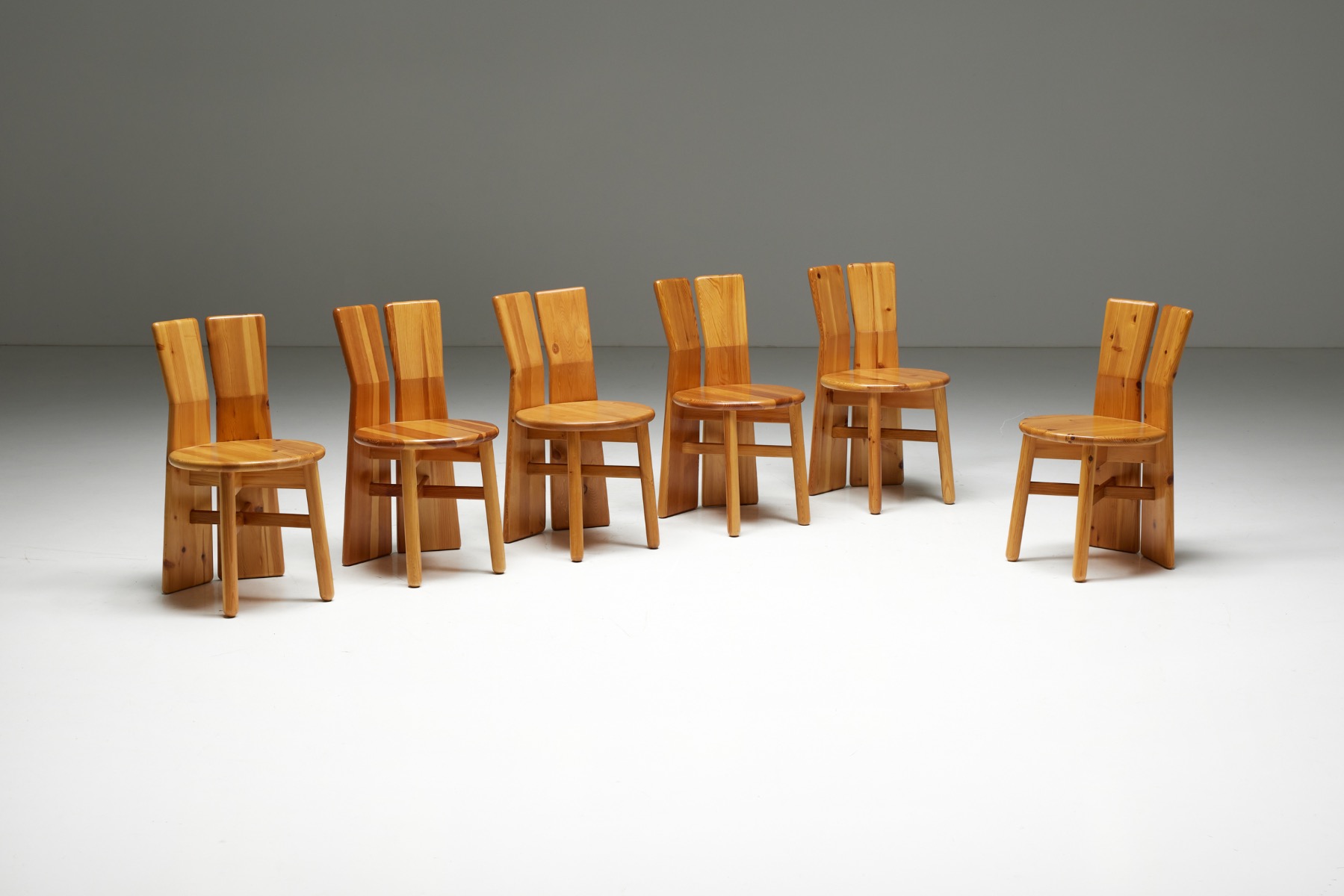
A visually imposing chair can work well as an occasional seat, while a dining chair has to serve comfortably through a meal. Look at seat height, the angle of the back and whether the edges are comfortable to touch. If an upholstered piece has been restored, ask what happened to its frame and upholstery as well as its visible surface.
Work with contrast
One heavily textured piece can give a room focus. Set it against a quieter wall or pair it with furniture that shows a different approach to the same material. A carved oak cabinet can sit beside a curved plywood chair when the tones and proportions work together. The Eames Lounge Chair with Ottoman for Herman Miller is a useful example of that contrast. Its curved shells and leather cushions create a different silhouette from a blocky timber or stone piece.
Lighting changes the effect. Side light can reveal relief on a cupboard, while diffused light can soften the look of a heavy piece. Check how the object reads from the entrance as well as close up. The photographs of Goldwood’s 1957 Eames Lounge Chair and Ottoman offer a second reference when comparing polished veneer and upholstery with the more worked surfaces in this collection.
Assess condition and access
A rough surface can be intentional. Check whether the wear affects use, especially on edges, joints and areas that carry weight. Older stone and wood can have repairs worth understanding before you choose a location. Use the photographs and notes for the specific piece, and ask for a closer view where a repair or joint matters.
Plan the route into the room before committing to a substantial cabinet or stone table. Measure doorways, stairs and turns. Ask if the top and base travel separately, and discuss the floor and installation with the delivery team when the piece is particularly heavy.
A photograph with another object for scale can help you judge visual weight. Compare it with the published overall measurements, since close views can make a narrow cabinet look deeper or a low seat seem taller.
FAQ
Is Brutalist furniture always made of concrete?
No. Concrete is one material associated with Brutalism. Furniture with a Brutalist character can also be made of wood, metal, stone or a combination. Look at the form and how the material is used.
Can Brutalist furniture work in a small room?
Yes. Start with one piece and check its footprint and clearances. A compact coffee table or a low cabinet can provide a strong focus without making daily movement difficult.
How can I tell whether roughness is intentional?
Look at similar areas of the same piece and see how marks relate to the construction. Tool marks can be part of the original finish. Loose joints, unstable cracks and recent losses need a separate condition check.
Can I pair it with mid-century furniture?
Yes. Compare the height, scale and material of the pieces. A curved chair or a fine metal base can work beside a heavier cabinet when each has enough space around it.
Where can I check measurements and availability?
Open the individual product page for its photographs, materials, measurements and current availability. For additional condition details or delivery questions, contact Goldwood by Boris in Antwerp.